BNPL vs. Credit Card: Why Online Store Needs Both Options
- Home
- Payments & Fintech
- BNPL vs. Credit Card: Why Online Store Needs Both Options
Disclaimer: The information provided in this article is for educational purposes only. Payment terms, interest rates, and approval criteria for BNPL and credit cards vary significantly by provider and financial institution. Business owners should review the specific terms of their payment service providers before integrating these options.
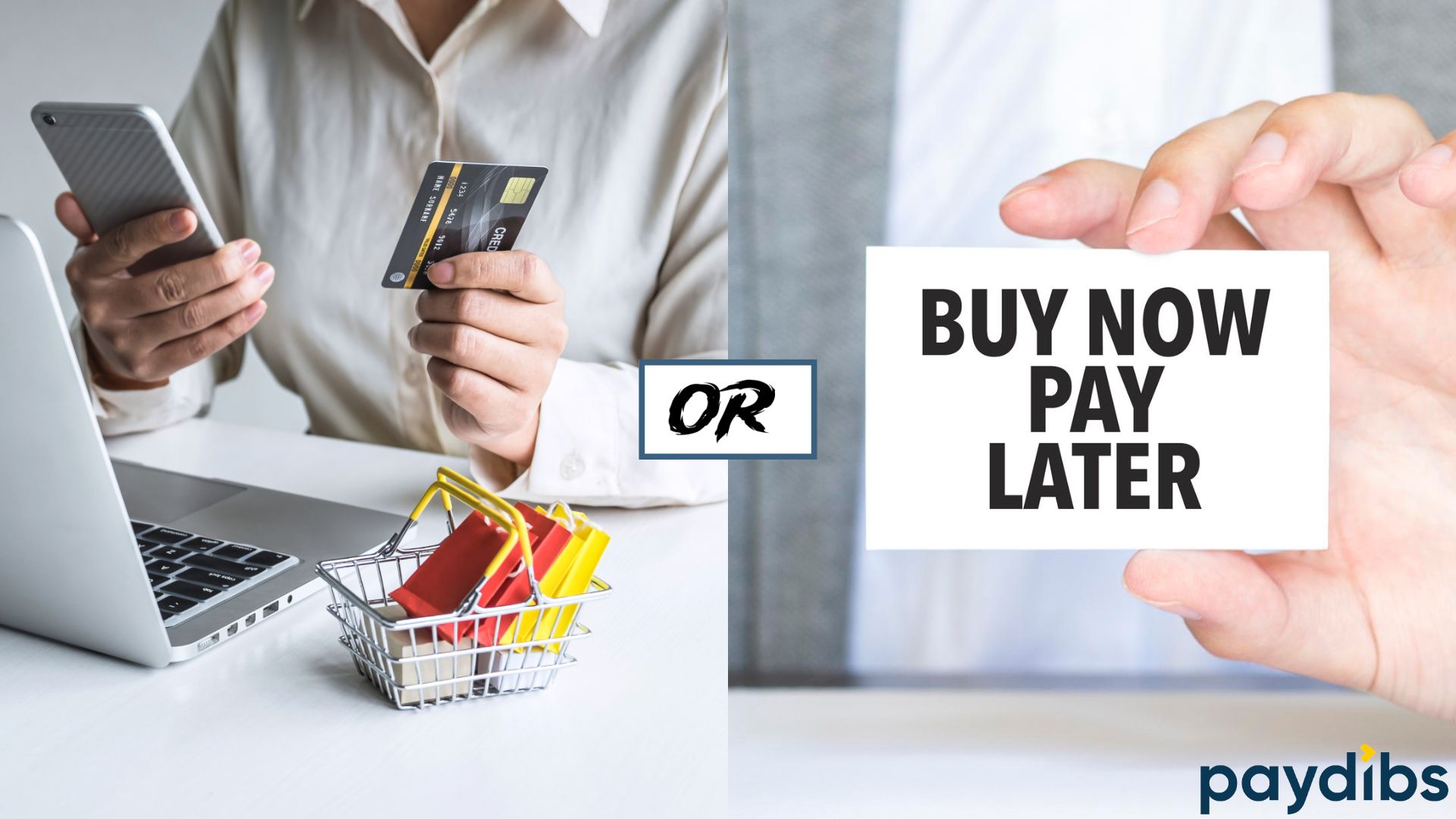
BNPL and credit cards both allow customers to spread payments over time, but they function differently.
Credit cards provide revolving credit, allowing customers to borrow repeatedly within a credit limit. BNPL divides purchases into fixed instalments, often with shorter repayment schedules and simplified approval processes.
Key Takeaways
- BNPL allows customers to split purchases into instalments without using a traditional credit card.
- Credit cards provide revolving credit, while BNPL usually divides payments into fixed instalment plans.
- BNPL is widely used in ecommerce checkout because it lowers upfront payment barriers.
- Credit cards remain common for recurring payments and larger purchases.
- Many online stores offer both payment options to improve checkout flexibility and conversion rates.
Flexible payment options have become a core part of modern ecommerce checkout. Customers today expect more than just traditional card payments when purchasing products online.
Two payment methods frequently discussed together are Buy Now Pay Later (BNPL) and credit cards.
Although both allow customers to pay over time, they operate differently in terms of payment structure, approval processes, and consumer behaviour. Understanding these differences helps both businesses and consumers choose the payment option that fits their needs.
For online stores, offering multiple payment methods can significantly influence checkout completion rates and overall customer experience.
BNPL vs Credit Card Comparison
Feature | BNPL | Credit Card |
Payment Structure | Fixed instalment plans | Revolving credit line |
Approval Process | Often instant or simplified | Credit-based approval |
Interest | Often interest-free for short plans | Interest charged if balance unpaid |
Checkout Integration | Common in ecommerce | Widely accepted globally |
Customer Use Case | Short-term instalment purchases | Flexible ongoing spending |
How BNPL Payments Work in Online Checkout
BNPL payments allow customers to divide purchases into smaller instalments during checkout.
Instead of paying the full purchase price immediately, customers select a BNPL option and agree to a repayment schedule. The provider typically pays the merchant upfront, while the customer repays the provider over time.
This process allows businesses to receive the full payment while offering customers flexible purchasing options.
BNPL options are commonly integrated directly into ecommerce checkout pages alongside other payment methods such as:
- credit or debit cards
- online banking transfers
- e-wallet payments
- digital wallet systems
By reducing the upfront cost barrier, BNPL can make larger purchases more accessible to customers.
Read more: BNPL For Small Businesses: How It Can Boost Sales
How Credit Cards Work for Online Purchases
Credit cards remain one of the most widely used payment methods in ecommerce.
When customers use a credit card, the issuing bank provides a line of credit that can be used repeatedly until the limit is reached.
The customer may choose to:
- repay the full balance at the end of the billing cycle
- repay a portion of the balance and carry the remaining amount forward with interest
Credit cards therefore function as revolving credit tools, giving customers flexibility across multiple purchases.
They are also commonly used for:
- recurring subscriptions
- travel bookings
- larger purchases
- international transactions
Because of their long-standing role in global payments, credit cards remain an essential part of most ecommerce payment stacks.
Key Differences Between BNPL and Credit Cards
Although both payment methods support instalments, their structures differ in several important ways.
Payment Structure
BNPL usually divides a purchase into a fixed number of instalments over a short period. Credit cards allow customers to carry balances indefinitely as long as minimum payments are made.
Approval Process
BNPL services may use automated risk assessments and streamlined approval processes depending on the provider during checkout. Credit cards typically require formal credit applications and approval from financial institutions.
Consumer Behaviour
BNPL is often used for planned purchases, such as electronics or lifestyle products. Credit cards tend to be used more broadly for everyday spending and recurring payments.
These behavioural differences influence how merchants present payment options to customers.
Why Many Ecommerce Stores Offer Both
Modern ecommerce checkout systems typically integrate several payment methods simultaneously through a unified payment gateway. This allows merchants to offer everything from portable POS terminal solutions for in-person sales to diverse online options like BNPL and credit cards without managing separate technical integrations.
Some customers prefer BNPL because it allows them to split payments into smaller instalments. Others prefer credit cards because they are familiar and widely accepted.
By offering both options, businesses allow customers to choose the payment method that best fits their financial preferences.
From a merchant perspective, providing multiple payment options can help:
- increase checkout completion rates
- support higher-value purchases
- improve customer experience
Modern ecommerce checkout systems typically integrate several payment methods simultaneously.
How BNPL and Credit Cards Fit Into Ecommerce Checkout
Today’s ecommerce platforms often support several payment methods within a single checkout flow.
Common combinations include:
- credit and debit cards
- FPX online banking
- digital wallets
- BNPL instalment payments
This multi-payment approach ensures that customers can choose the payment option that suits them best.
Payment gateways and ecommerce platforms handle the technical integration required to connect these payment methods with checkout systems securely.
Flexible Payment Options and Ecommerce Growth
As ecommerce continues to expand, payment flexibility plays an increasingly important role in the buying journey.
BNPL options appeal to customers who prefer structured instalment plans, while credit cards continue to provide flexible access to credit for a wide range of purchases.
Rather than replacing one another, these payment methods often coexist within the same checkout environment.
For businesses operating online stores, supporting multiple payment methods can create a smoother purchasing experience while accommodating different customer preferences.
Understanding the differences between BNPL and credit cards helps merchants design checkout systems that balance flexibility, convenience, and payment security.
Whether you are a retail giant or a growing MSMEs, choosing the right mix of payment terminal hardware and online flexible payments is the foundation of a modern sales strategy.
FAQs About BNPL and Credit Cards
Is BNPL the same as a credit card?
No. BNPL divides purchases into fixed instalments, while credit cards provide revolving credit that can be used repeatedly within a credit limit.
Do BNPL payments charge interest?
No. BNPL divides purchases into fixed instalments, while credit cards provide revolving credit that can be used repeatedly within a credit limit.
Can customers use both BNPL and credit cards online?
Yes. Many ecommerce stores offer both options during checkout so customers can choose their preferred payment method.
Is BNPL safer than credit cards?
Both payment methods rely on secure payment processing systems. Security depends on the payment provider, encryption standards, and fraud protection mechanisms.
Why do online stores offer BNPL?
BNPL allows customers to split purchases into instalments, which can make larger purchases more accessible and improve checkout completion rates.
Do businesses receive payment immediately with BNPL?
In most cases, BNPL providers pay the merchant upfront while the customer repays the instalments over time.
Recent Posts
- How AI Payment Gateways Transform Checkout for Malaysian SMEs
- Paydibs NEO Unifies QR and Card Payments in a Smarter All-in-One Terminal for Malaysian Businesses
- Omnichannel Payments: Smart Terminals for Retail in Malaysia
- Malaysia E-Commerce Payment Gateway Security & Fraud Controls
- The Modern POS Machine: More Than Just a Cash Register
Categories
Our Partners :





As Seen On :



















Paydibs is a leading payment solutions provider committed to simplifying transactions for businesses of all sizes.