Disclaimer: This article is intended for general informational purposes only and does not constitute financial, tax, legal, or regulatory advice. POS terminal features, payment methods, fees, and compliance requirements may vary by provider and merchant profile. Businesses should verify details directly with service providers before making operational decisions.
Key Takeaways
- A POS terminal is a physical device used to accept card and digital payments in person
- POS terminals differ from payment gateways, QR-only solutions, and full POS systems
- In Malaysia, POS terminals commonly support cards, e-wallets, and DuitNow QR
- Transaction records from POS terminals support reconciliation and reporting workflows
- Mini and portable POS terminals suit businesses that value mobility and simpler setups
Searches for POS terminal Malaysia often come from business owners trying to answer a practical question. Do they need a POS terminal, and if so, what type actually fits their operations?
A POS terminal is frequently grouped together with payment gateways, QR payments, and full point-of-sale systems, even though each serves a different role. This confusion makes it harder to choose the right setup, especially for smaller or growing businesses.
This guide explains what a POS terminal is, how it works in Malaysia, how it differs from other payment solutions, and which types of businesses commonly use it.
What is a POS Terminal?
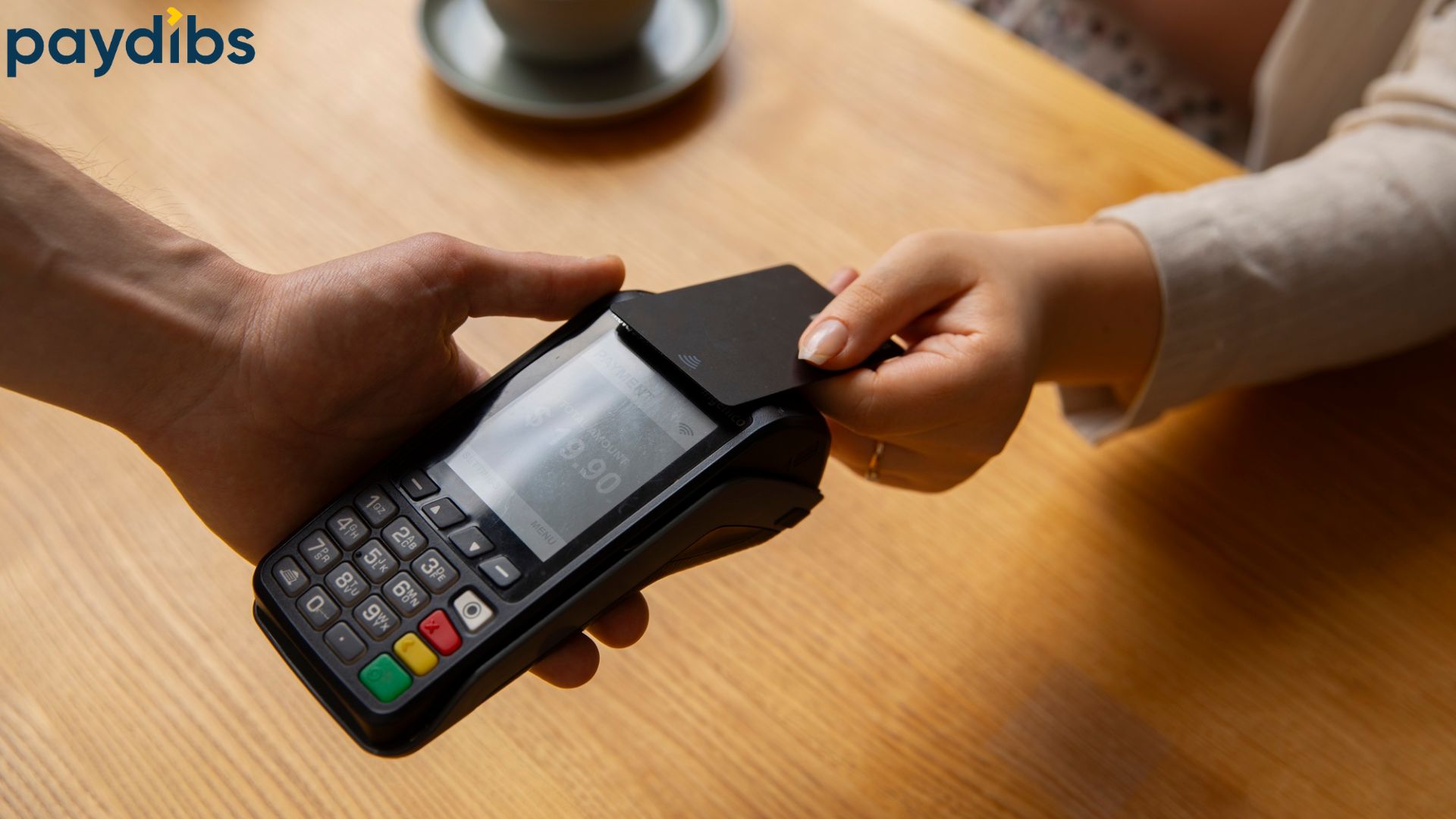
A POS terminal is a physical device that allows businesses to accept in-person electronic payments and record transaction details.
In most cases, a POS terminal:
- Reads card or NFC payment credentials
- Sends payment data for authorisation
- Confirms payment approval or rejection
- Records the transaction outcome
It focuses on payment acceptance, not inventory management or accounting.
How Does a POS Terminal Work in Malaysia?
A POS terminal processes payments through a combination of hardware, software, and payment networks.
A typical flow includes:
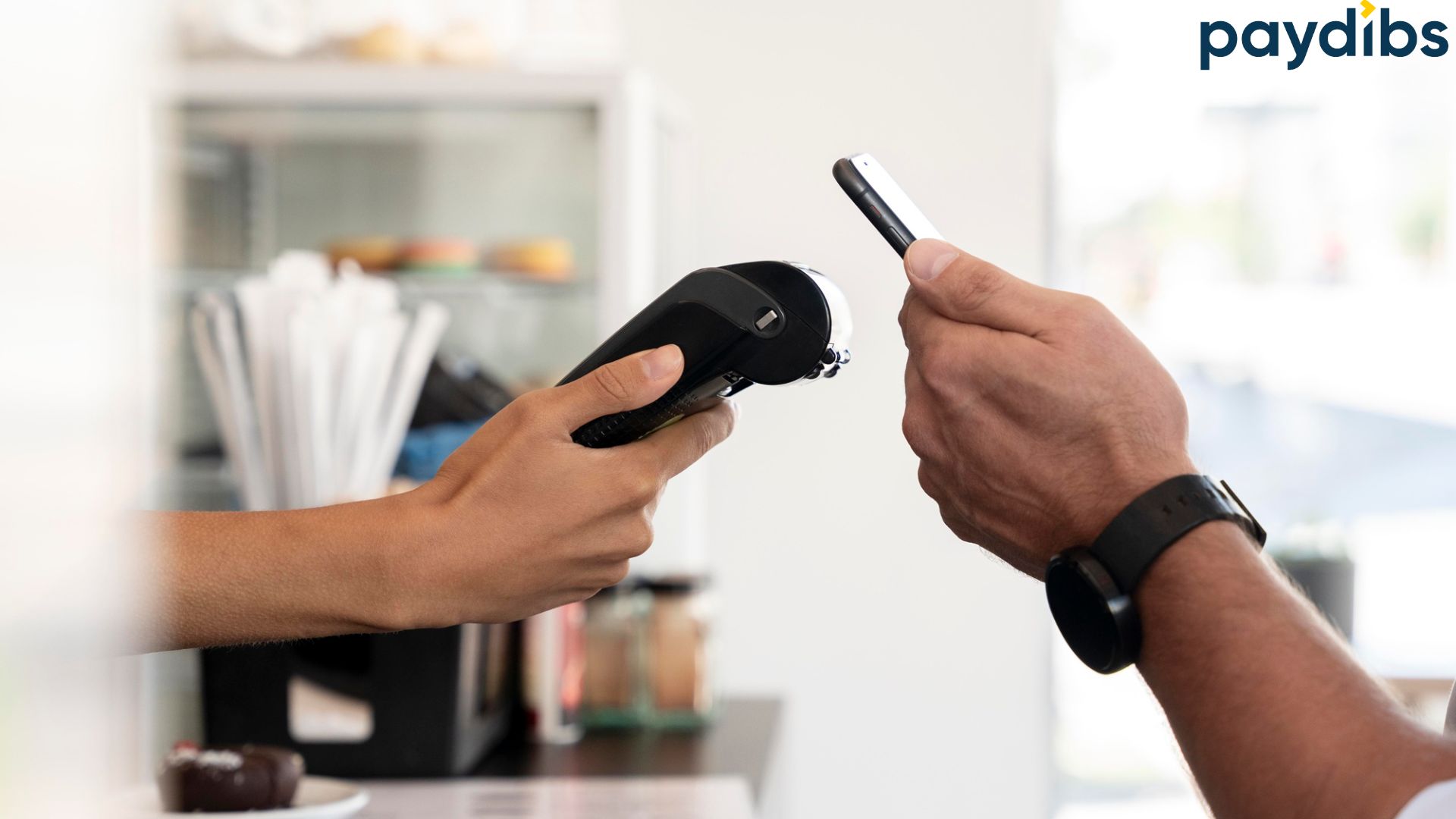
- A customer presents a card, phone, or QR code
- The POS terminal captures payment details
- The transaction is routed for authorisation
- Approval or decline is returned
- The transaction is recorded for settlement
In Malaysia, this process commonly supports:
- Debit and credit cards
- Contactless NFC payments
- E-wallets
- DuitNow QR
POS Terminal vs Payment Gateway: What is the Difference?
A POS terminal is designed for in-person payments, while a payment gateway is designed more on online transactions.
Key differences include:
- POS terminals handle face-to-face payments
- Payment gateways process online or app-based payments
- POS terminals rely on physical hardware
- Payment gateways operate through websites or apps
Many businesses use both, depending on sales channels.
POS Terminal vs QR Payments Only
QR payments are a payment method, not a POS terminal.
QR-only setups:
- Rely on customer smartphones
- Do not process card payments
- Offer limited transaction reporting
POS terminals:
- Support cards and contactless payments
- Generate structured transaction records
- Offer broader payment acceptance
Some businesses combine both for flexibility.
What is a Mini POS Terminal?
A mini POS terminal is a smaller, portable version of a traditional POS terminal.
It typically:
- Connects via Bluetooth or mobile data
- Pairs with a smartphone or tablet
- Is lightweight and easy to carry
- Focuses on payment acceptance rather than full POS features
Mini POS terminals are often chosen for mobility rather than advanced system control.
Which Businesses Commonly Use POS Terminals in Malaysia?
POS terminals are used across many sectors, including:
- Retail shops
- Cafes and restaurants
- Clinics and service providers
- Events, pop-ups, and markets
- Delivery and mobile businesses
The type of POS terminal chosen usually reflects transaction volume, location stability, and payment preferences.
POS Terminal Transaction Records and Business Operations
Every POS transaction generates a record that can be used for operational and reporting purposes.
These records typically include:
- Transaction date and time
- Amount paid
- Payment method
- Reference or receipt number
- Settlement status
While POS terminals do not handle tax filing, these records support reconciliation and reporting workflows.
POS Terminals and Tax or Reporting Considerations
POS terminals:
- Do not calculate taxes
- Do not submit tax filings
- Do not replace accounting systems
However, transaction records are often:
- Reconciled with invoices
- Imported into accounting software
- Reviewed during audits
Accurate records reduce manual follow-up work.
POS Terminals and E-Invoicing Readiness
As e-invoicing adoption increases, structured payment data becomes more useful.
POS terminal data can:
- Confirm invoice settlement
- Support matching between invoices and payments
- Provide timestamps for payment events
This helps businesses maintain cleaner financial records when systems are aligned.
POS Terminal Fees in Malaysia (General Overview)
POS terminal costs may include:
- Merchant discount rates
- Device purchase or rental fees
- Settlement fees
- Optional service charges
Actual pricing varies by provider, transaction volume, and payment methods accepted.
Choosing the Right POS Terminal
When evaluating POS terminals, businesses typically consider:
- Payment methods required
- Portability needs
- Transaction volume
- Reporting and settlement visibility
- Support and onboarding process
There is no universal best option, only best-fit choices.
Example of POS Terminal Infrastructure in Malaysia
POS and payment infrastructure providers such as Paydibs offer portable POS solutions designed to accept in-person payments and generate transaction records. Their Mini POS terminal is one example of a device used by businesses that prefer a compact and mobile payment setup.
This illustrates how POS terminals fit within broader payment infrastructure without replacing accounting or compliance systems.
Common Misconceptions About POS Terminals
- A POS terminal is not the same as a full POS system
- A POS terminal does not manage inventory by default
- A POS terminal does not handle tax filing
- QR payments alone are not a POS terminal
Understanding these boundaries prevents mismatched expectations.
How POS Terminals Fit Into a Broader Payment Setup
Many businesses use:
- POS terminals for in-person sales
- Payment gateways for online sales
- Accounting software for reporting
- Invoicing systems for billing
Each tool serves a specific role within the payment and reporting workflow.
Conclusion: Understanding POS Terminals Before Choosing One
A POS terminal in Malaysia is a practical tool for accepting in-person payments and recording transaction data. While it does not manage inventory, taxes, or invoicing, it plays an important supporting role in daily operations and financial record keeping.
Understanding how POS terminals differ from other payment solutions helps businesses choose a setup that fits their operational needs without unnecessary complexity.