免责声明: This blog provides general information on payment processing systems for educational purposes. While these systems can improve efficiency and security, results may vary depending on your business setup, technology, and practices. Always consult with a financial or technical professional before making decisions.
In today’s fast-paced digital economy, businesses of all sizes need a reliable way to accept payments. Whether you operate a retail store, an e-commerce platform, or a service-based business, understanding payment processing systems is essential for smooth and secure transactions.
This guide explains what payment processing systems are, how they work, their types, and how businesses can benefit from modern solutions.
What is a Payment Processing System?
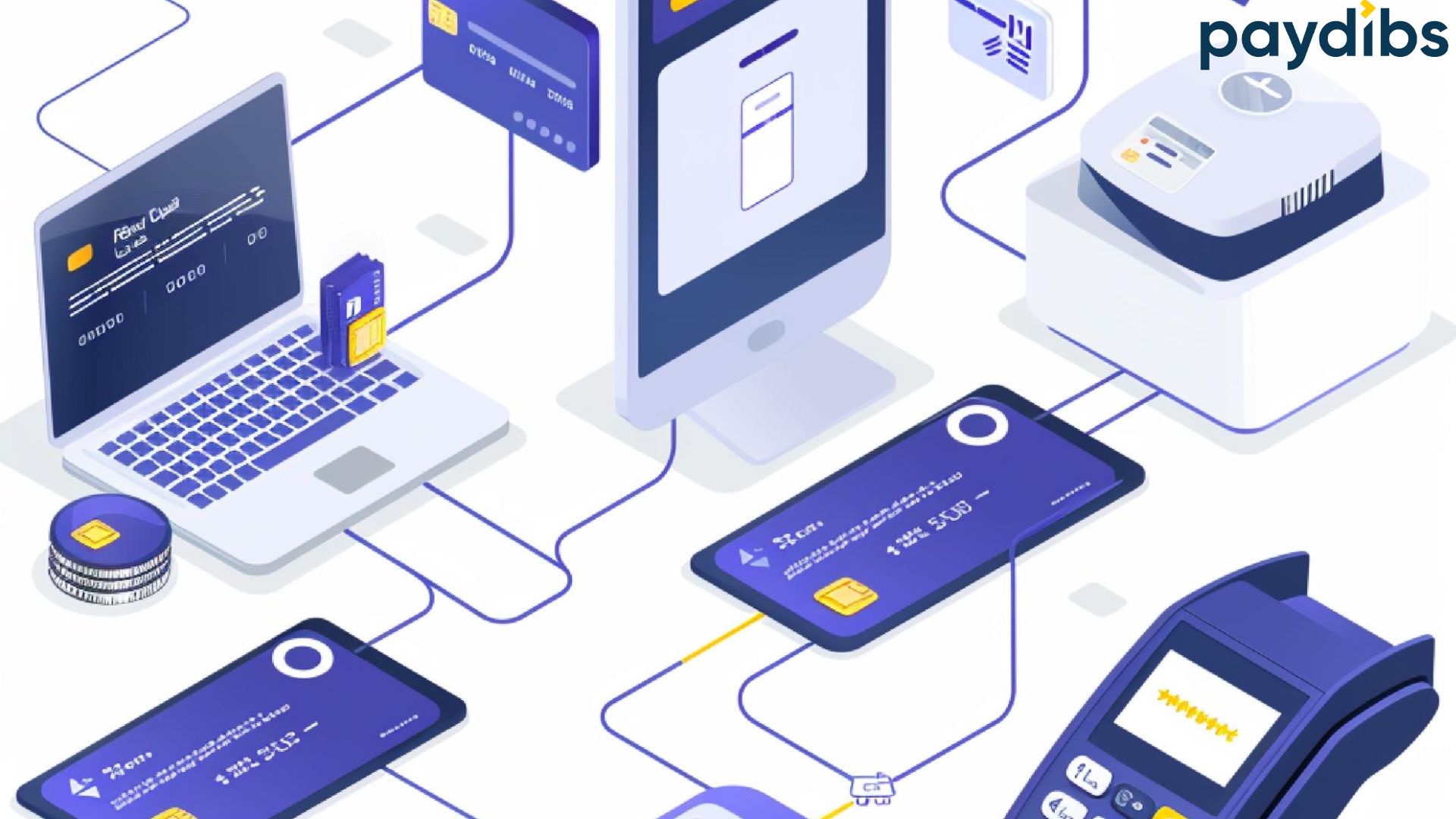
在马来西亚, payment processing system is a combination of software and technology that enables a business to accept, verify, and complete financial transactions. These systems help facilitate secure transfers from the customer’s account to the merchant’s account, reducing the risk of errors or fraud.
Key components typically include:
- Merchant Account: Where the funds are deposited.
- Payment Gateway: The platform that connects the business to financial networks.
- Payment Processor: Handles the authorisation and settlement of transactions.
- Card Networks or Banks: Facilitate the transfer of money.
How Payment Processing Works
Here’s a simple overview of the transaction flow:
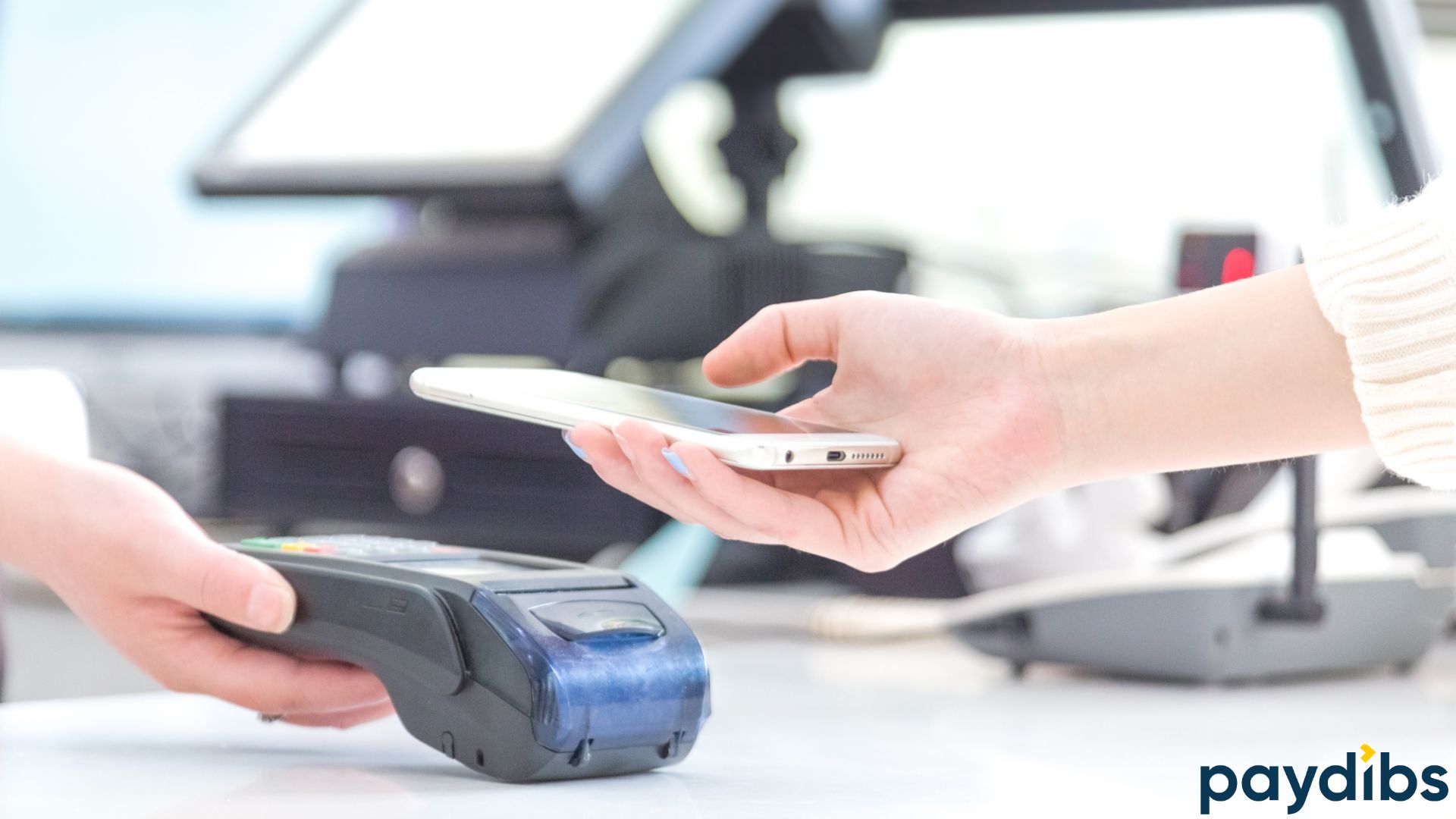
- Customer initiates payment: Swiping a card on a 支付终端, tapping a contactless device, or checking out online.
- Payment gateway encrypts the information: Ensures secure transmission to the processor.
- Payment processor checks authorisation: Confirms funds are available and no fraud flags are raised.
- Transaction approved or declined: Customer receives confirmation instantly.
- Funds settled into merchant account: Typically within 1–3 business days depending on the system.
This process happens in seconds but involves multiple parties working together to keep payments safe and efficient.
Types of Payment Processing Systems
Businesses can choose different systems depending on their operations:
- Point-of-Sale (POS) Systems: Traditional POS systems are used in stores, restaurants, and service outlets, but now there are more compact options. For example, Paydibs’ Mini POS is built for small businesses, offering a smarter, more affordable way to manage tables, products, and payments without the cost or complexity of traditional systems.
- Online Payment Gateways: For e-commerce and online services.
- Mobile Payments: Using QR codes, apps, or NFC-enabled devices.
- Hybrid Systems: Combine in-store and online payment capabilities for omni-channel businesses.
Benefits of Modern Payment Processing
Implementing a structured payment processing system offers several advantages:
- Faster Transactions: When properly implemented, modern systems can reduce wait times compared to manual or legacy methods.
- Security: Encryption and fraud detection minimise risks.
- Multi-channel Acceptance: Depending on the provider and plan, modern systems may support multiple channels including cards, e-wallets, and bank transfers.
- Operational Efficiency: Streamlines reconciliation and reporting.
How a Payment Gateway Helps Businesses
A modern 支付网关 connects all parts of the payment ecosystem, helping businesses manage transactions more effectively. Features include:
- Secure processing with encryption
- Support for multiple payment methods
- Automated reporting and reconciliation
- Reduced manual errors and administrative burden
For example, a retail store can handle more transactions per hour and reduce queue times, while an e-commerce platform can accept payments globally with minimal setup. Actual throughput improvements depend on the specific system and business environment.
Connecting Payment Processing to Business Growth
Reliable payment processing is not just a convenience, it can influence customer experience, operational efficiency, and even cash flow management. As businesses face increasing demand for digital payments, having a system that is secure, adaptable, and scalable becomes increasingly important.
Implementing an appropriate payment processing system can support operational efficiency and transaction security, potentially allowing businesses to focus more on growth.