QR Payment: Seamless Transactions for Every Business
- 首页
- Payments & Fintech
- QR Payment: Seamless Transactions for Every Business
免责声明: This article provides general information about QR payments. It does not constitute financial or business advice. Results from using QR payment systems, including Paydibs, may vary based on business type, location, customer behavior, and other factors. Businesses should assess their specific needs before adopting any payment solution.
In recent years, Quick Response (QR payment) has become a widely discussed method for facilitating digital transactions. From small vendors to established retailers and event organizers, businesses are exploring ways to offer customers the option to pay using QR codes.
This article provides an overview of QR payments, potential benefits for different types of businesses, and how a payment app may support businesses in offering QR-based transactions.
What is QR Payment?
在马来西亚, QR payment is a method of digital payment in which a customer scans a Quick Response (QR) code using a smartphone. The QR code typically links to a payment portal, digital wallet, or banking application, allowing the customer to complete a transaction without cash or card swipes. In Malaysia, the national standard for QR payments is called DuitNow QR.
QR payments are generally considered:
- Fast: Transactions can be completed quickly.
- Contactless: Reduces the need for physical exchange of money or cards.
- Flexible: Can be used in stores, mobile setups, and events.
For mobile businesses such as food trucks or pop-up stores, QR payments may offer a convenient alternative to traditional point-of-sale systems.
Potential Advantages of QR Payments
While results may vary, many businesses report that QR payments can offer certain operational advantages:
1. Reduced Contact
Contactless payments may be preferred by some customers for convenience or hygiene reasons. QR codes allow payments to occur without physical contact.
2. Potential Cost Efficiency
Some digital payment apps do not require hardware installation or recurring fees, which may reduce upfront costs compared to traditional card machines.
3. Transaction Speed
QR payments can potentially shorten checkout times, depending on the type of business and the volume of customers.
4. Optional Analytics
Some payment apps include reporting features that allow businesses to view transaction history and track sales patterns.
注: The benefits listed may vary depending on factors such as business type, customer preferences, and the specific payment solution used.
QR Payments for Different Business Types
QR payments can be applied across various industries, though their usefulness may depend on each business’s setup and customer base.
Food & Beverage Businesses
Examples: Food Trucks, Cafes, Restaurants, Street Vendors
For food and beverage vendors, QR payments may provide a convenient option for accepting payments:
- Mobile Vendors: QR codes may allow vendors to accept payments without a full point-of-sale system.
- Restaurants and Cafes: Customers may choose QR payments for convenience, potentially reducing wait times.
Payment app by Paydibs provides a platform that supports Two-Way Scan QR payment functionality for a range of food and beverage businesses, which can be implemented via DuitNow QR for businesses.
Event & Entertainment Venues
Examples: Sports Events, Music Festivals, Concerts, Exhibitions
At temporary or high-traffic events, QR payments may offer an alternative to cash handling:
- Faster Transactions: QR payments can allow attendees to make payments directly at stalls or booths.
- Reduced Cash Handling: May simplify the management of multiple temporary sales points.
Businesses hosting or selling at events can consider QR payments as a flexible option for handling transactions in various event settings.
Retail Stores & Markets
Examples: Grocery Stores, Fashion Stores, Pop-up Stores, Night Markets, Ramadan Bazaars, Farmer Markets
Retail businesses may consider QR payments as a supplementary option for customers:
- Checkout Efficiency: QR codes can offer a contactless alternative for payment.
- Mobile-Friendly: May support temporary or seasonal retail setups.
- Simplified Operations: No additional hardware may be required for some digital payment solutions.
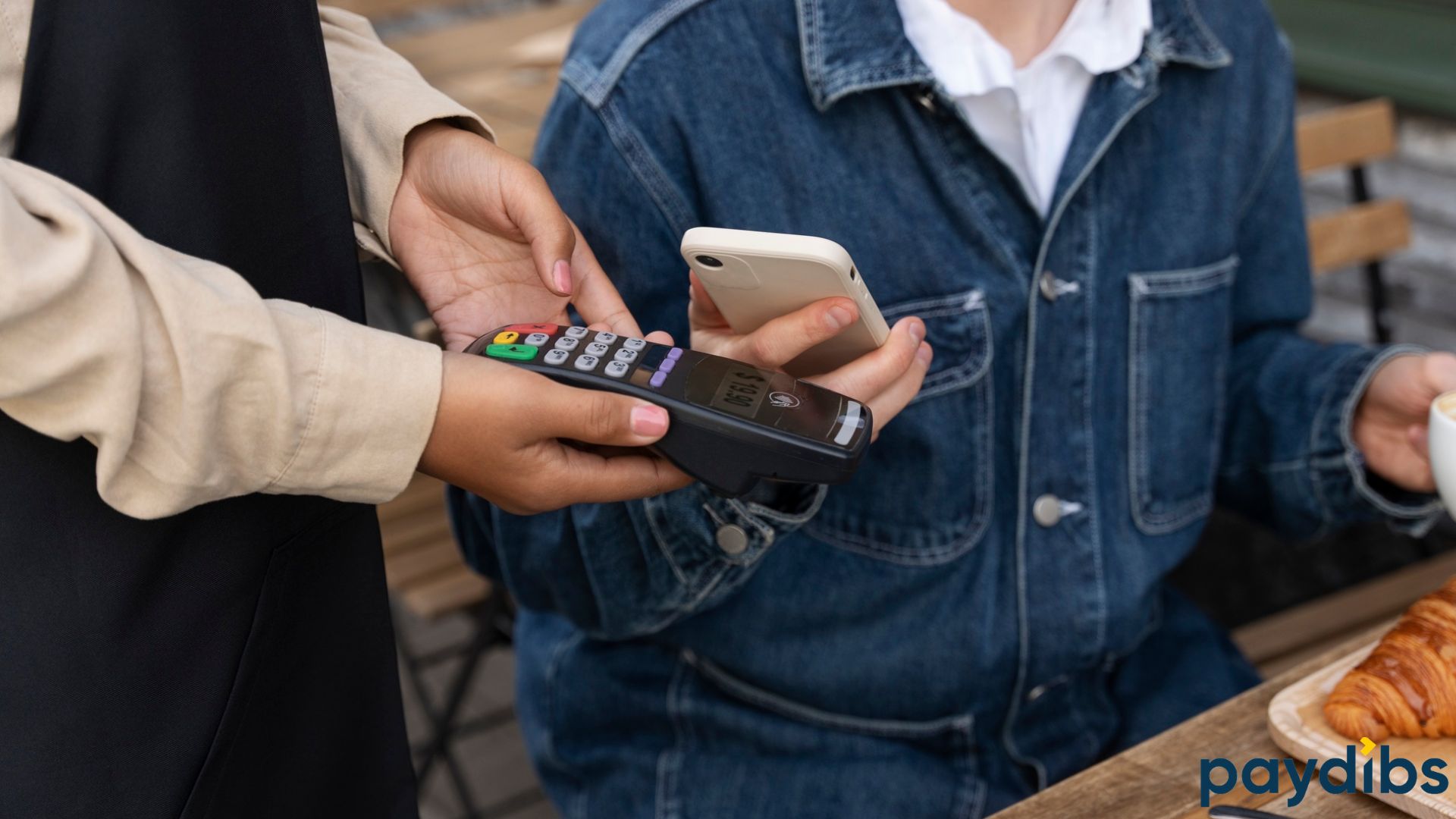
For retail stores and market stalls, digital payment solutions can support a range of sales formats, allowing businesses to accept QR payments alongside other options, such as a 支付终端, to offer customers flexible and convenient checkout experiences.
Considerations Before Adopting QR Payments
Businesses considering QR payments should take into account:
- Customer Preferences: Not all customers may be familiar with or willing to use QR codes for payment.
- Transaction Fees: Digital payment platforms may have associated fees that vary by provider.
- Connectivity Requirements: QR payments usually require internet access to process transactions.
- Security Measures: While QR payments can offer contactless transactions, businesses should ensure the payment app follows security best practices.
注: Businesses should evaluate QR payments based on their specific needs, customer base, and operational context. Results may vary.
How to Set Up QR Payments
The general steps for offering QR payment options may include:
- Choose a Payment App: Select a payment solution that supports DuitNow QR payments
- Set Up Business Information: Provide relevant details and link a bank account if required.
- Generate QR Codes: Create codes for general payment or for individual products/services.
- Display QR Codes: Make the codes visible at points of sale or digitally via menus or websites.
- Accept Payments: Customers scan the QR code to complete transactions.
- Monitor Transactions: Use available reporting tools to track payment history.
结论
QR payments are one of several digital payment options that businesses can consider. Depending on the type of business such as food trucks, cafes, restaurants, retail stores, or event stalls, they can offer a contactless, mobile-friendly way for customers to complete transactions.
For businesses looking for comprehensive solutions, a reliable 马来西亚支付网关 can provide multiple payment options in a single platform, helping streamline checkout processes and improve operational efficiency.
FAQs About QR Payment for Business
What is a QR payment?
A QR payment allows a customer to scan a QR code with a smartphone to complete a digital transaction. The QR code usually links to a payment app or digital wallet.
Can small or mobile businesses use QR payments?
Yes, QR payments can be used by smaller vendors or mobile businesses, though effectiveness may depend on customer adoption and operational setup.
Are QR payments secure?
When implemented by reputable providers, QR payments typically use encryption and secure digital payment protocols. Businesses should choose solutions from trusted providers with transparent security measures, strong data protection practices, and relevant compliance certifications.
Is special equipment required for QR payments?
Most QR payment solutions only require a smartphone or tablet. Some businesses may also print QR codes for customer scanning.
Are QR payments suitable for events?
QR payments can be used in temporary or high-traffic events to allow contactless transactions, depending on connectivity and the payment app used.
Which types of businesses might consider QR payments?
QR payments may be relevant for food vendors, retail stores, pop-up shops, markets, and event stalls. Businesses should evaluate based on operational context and customer preference.
近期文章
- How to Start an eCommerce Business in Malaysia (Step-by-Step)
- POS Terminal Malaysia: How It Works and Which Businesses Use It
- PromptPay: How Thailand’s Payment System is Used Regionally
- Duit Raya Goes Digital: How eDuit Raya is Changing Celebrations
- Paydibs Introduces COD That Unifies Payment and Shipment in One Seamless Flow
我们的合作伙伴 :




Paydibs 是一家领先的支付解决方案 提供商,致力于简化各种规模企业 的交易流程。