Disclaimer: This article is for informational and educational purposes only. It does not constitute financial, legal, or technical advice. References to any brands or gateways do not imply endorsement unless stated otherwise.
The API Engine Behind Malaysia’s Cashless Revolution
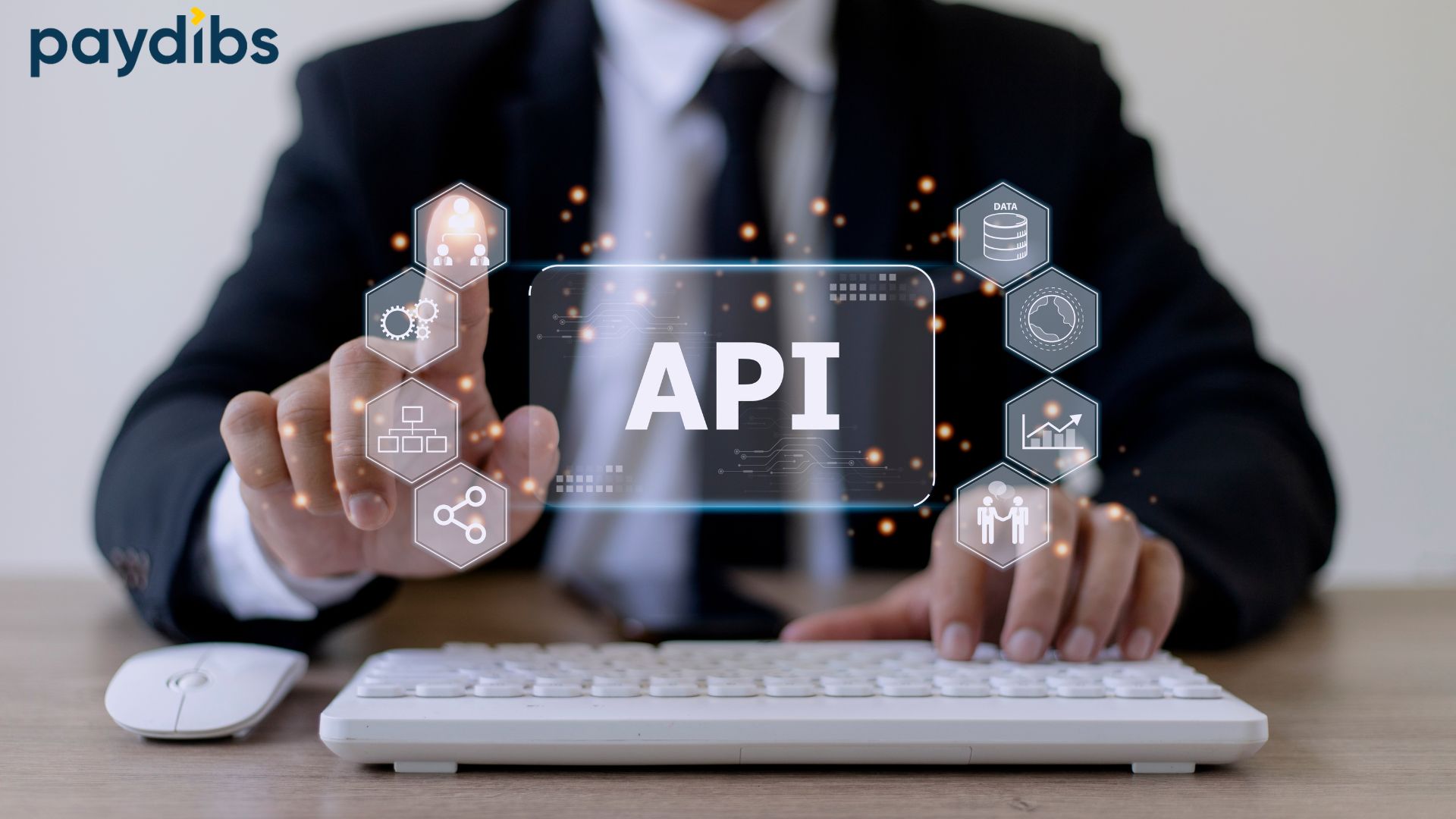
In Malaysia’s increasingly digital economy, the way businesses accept, process, and settle payments has changed dramatically. From FPX bank transfers to DuitNow QR codes, every quick, secure transaction relies on one invisible mechanism: the Application Programming Interface (API).
These APIs quietly link your online store to banks, e-wallets, and payment gateways, ensuring every ringgit moves safely from customer to merchant in seconds. With Malaysia accelerating the migration to e-payments (while acknowledging that cash remains a vital part of the ecosystem), APIs have become the essential infrastructure powering the nation’s financial connectivity. (Source: BNM Annual Report 2024)
For business owners, payment APIs are no longer a back-office concern; they are a strategic enabler that determines how efficiently you can sell, scale, and stay secure.
What Is a Payment API?
A payment API is a digital connector that allows two systems, such as a business’s online store and a payment processor, to communicate and transfer data securely.
When a customer clicks “Pay Now,” the API sends transaction details to the processor, validates the payment method, authorises it with the bank, and returns confirmation, all within milliseconds.
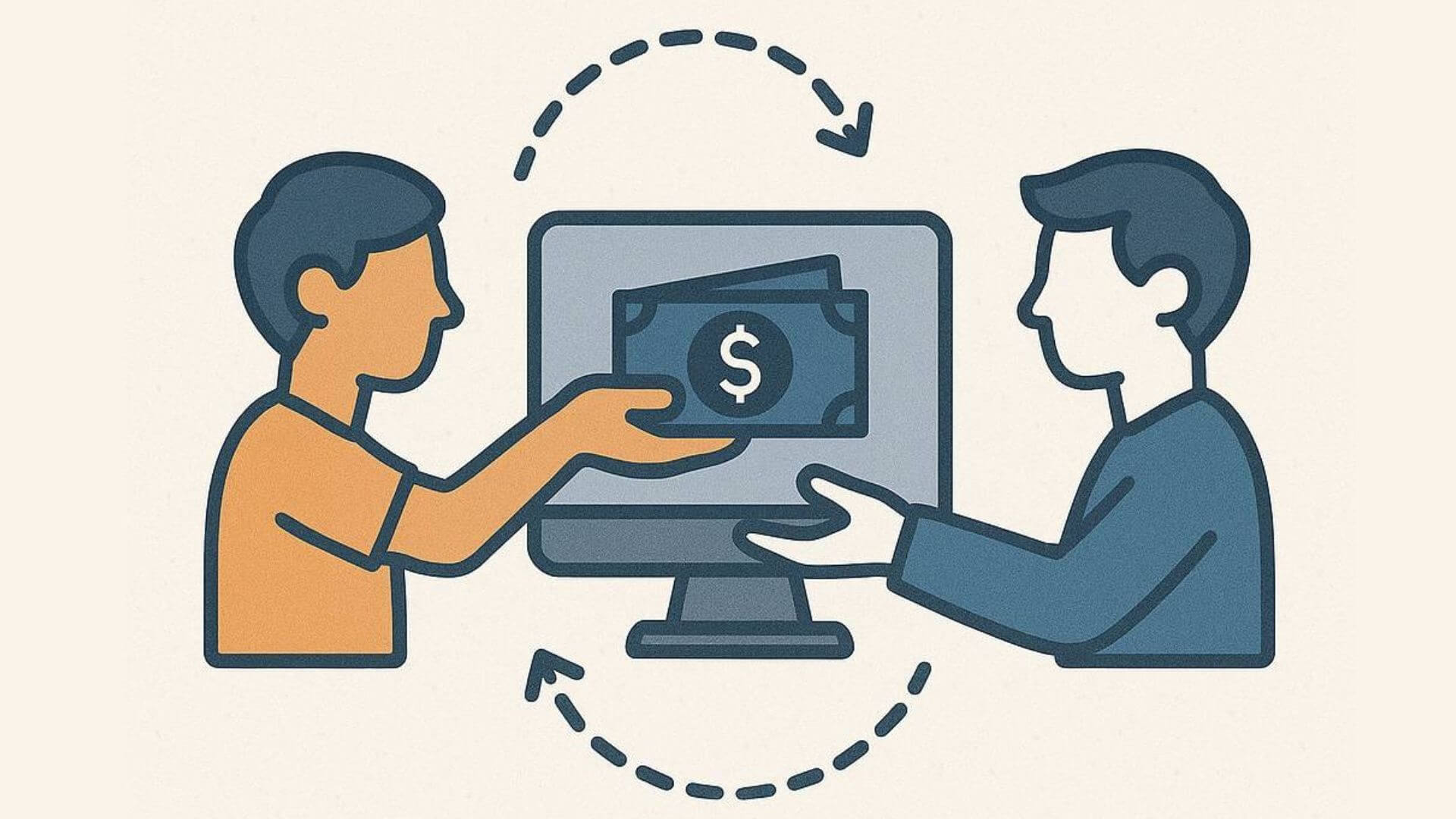
Think of it as the courier for your financial data. Without it, online payments wouldn’t be instant, nor would reconciliation be automatic.
APIs also let businesses offer multiple payment options such as e-wallets, debit cards, FPX, and instalment plans, without building separate integrations. This flexibility makes them a cornerstone of Malaysia’s digital commerce ecosystem.
Why Payment APIs Matter for Malaysian Businesses
1) Unified Checkout Experience
- A single API connects online, mobile, and in-store systems.
- This creates a consistent checkout journey, whether a customer scans a DuitNow QR in your shop or pays online via FPX.
2) Faster Settlements and Cash Flow
- Older systems required days for settlement.
- Today, API-driven solutions on Malaysia’s real-time rails can deliver instant or same-day transfers, helping SMEs maintain liquidity and operational stability.
(Source: Recent rollout of RENTAS+ by Bank Negara Malaysia enables 24/7 interbank funds transfer and settlement)
3) Greater Security and Fraud Prevention
- Leading APIs are PCI DSS–aligned and use tokenisation, encryption, and risk-scoring to prevent data theft. (Source: PCI SSC Tokenization Guidelines)
- They align with Bank Negara Malaysia’s guidelines and global standards.
4) Lower Costs and Operational Simplicity
- Instead of maintaining multiple bank connections, one API connects to many.
- This reduces admin overhead, saves manpower, and automates tedious reconciliation.
5) Scalability and Growth
- As your business expands regionally, APIs make it easy to add new payment methods or currencies without rebuilding infrastructure.
- This is critical for exporters and e-commerce merchants entering ASEAN markets.
(Source: BIS/Project Nexus via Reuters)
How APIs Are Transforming Malaysia’s Payment Landscape in Future
Payment APIs are not just improving how money moves, they’re redefining how businesses interact with customers, regulators, and partners.
| Sector | Transformation Enabled by APIs |
| 电子商务 | Instant online checkout, refunds, BNPL integrations |
| Fintech | Seamless fund transfers and wallet top-ups |
| Retail & F&B | Smart POS linked to cloud accounting and QR payment APIs |
| Government & Utilities | API-enabled bill and tax payments |
| Cross-Border Trade | Multi-currency acceptance and settlement |
These integrations make Malaysia one of ASEAN’s fastest-growing digital payment markets. In 2024, selected retail e-payment transactions reached RM698.1 billion. (Source: BNM Annual Report 2024)
By 2025, APIs are central to every stage of business operations from sales and accounting to customer service.
The Global and Local Trends Defining the Future of Payments
1) Open Finance and Embedded Finance
- Malaysia is progressing toward Open Finance.
- Bank Negara Malaysia is guiding a phased rollout, with an exposure draft expected in the second half of 2025.
- Today, BNM’s Open API policy focuses on publishing open data; consented access to bank data will be defined under the Open Finance framework.
- This will unlock tailored lending, payroll automation, and personal finance tools.
(Sources: BNM Open API policy; BNM OpenAPI portal)
2) AI-Powered Fraud Detection
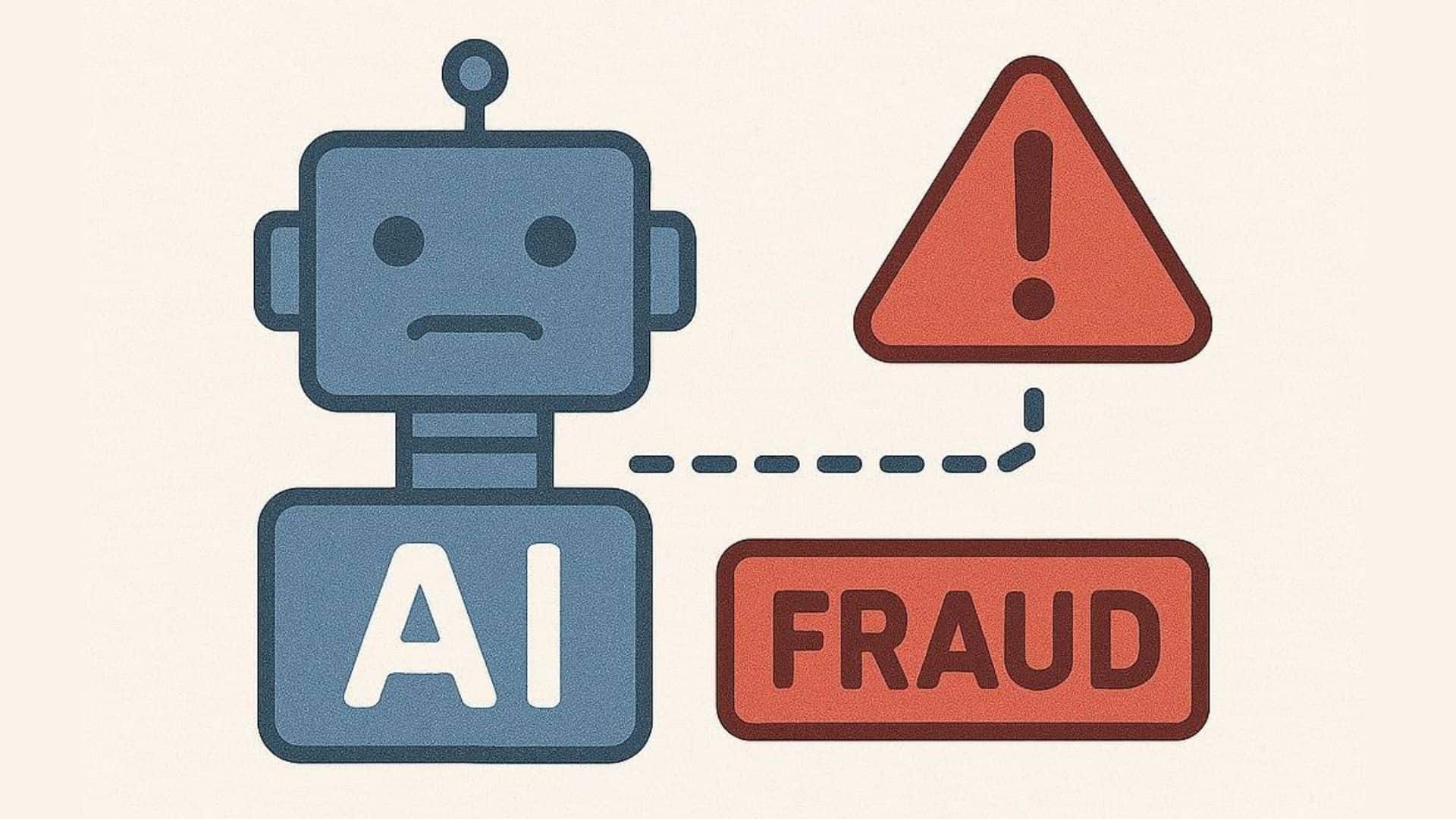
APIs are increasingly paired with AI models that detect suspicious transactions in real time, reducing chargebacks and improving customer trust.
3) Cross-Border Payments
- Regional initiatives are linking instant payment systems across borders.
- API-level interoperability is enabling near-instant cross-border transactions in local currencies, boosting regional e-commerce.
(Source: BIS/Project Nexus via Reuters)
4) Real-Time Retail Payments
Malaysia’s Real-time Retail Payments Platform (RPP) 和 DuitNow services are shifting the market from overnight batch processing to instant retail transfers and faster settlement access for businesses.
(Source: PayNet RPP overview)
5) Blockchain and Tokenisation
- Some fintechs are experimenting with blockchain-based APIs for faster clearing between institutions and lower intermediary costs.
- Tokenisation continues to add privacy and security to transactions.
Key Benefits for Malaysian SMEs
| Benefit | Business Impact |
| Faster payment confirmation | Improves delivery speed and order accuracy |
| Unified API gateway | Reduces time-to-market for online stores |
| Lower failed payments | Boosts conversion rate |
| Smart reporting | Enables automated accounting integration |
| Custom payment experiences | Improves customer loyalty |
In essence, APIs are leveling the playing field for SMEs, giving them access to infrastructure once reserved for large enterprises.
Challenges and Hurdles in Malaysia’s API Payment Ecosystem
1) Security and Data Privacy
- Because APIs handle sensitive information, weak configurations can open doors to cyberattacks.
- Businesses must comply with Malaysia’s PDPA and adopt security-first API gateways with encryption, rate limiting, and continuous monitoring.
(Source: PDPA (government portal); PDPA 2010 (Act 709))
2) Technical Integration Barriers
- Many SMEs lack in-house developers or the bandwidth to parse technical docs.
- Providers like Paydibs address this gap with prebuilt plugins, SDKs, and no-code dashboards for easier deployment.
3) Fragmented Payment Ecosystem
- Malaysia’s mix of wallets and banking systems can create interoperability friction.
- A unified open-standard API network (anchored by DuitNow) is aligning these platforms, but broader cross-compatibility and standardisation are still works in progress.
(Source: PayNet)
4) Regulatory Complexity
- Compliance with PCI DSS, AML/CFT requirements, and e-money licensing can be time-consuming for startups.
- Transparent partnerships with licensed gateways help streamline audits and onboarding.
5) Trust and Digital Literacy
While urban areas are highly digital, rural adoption lags. Ongoing education by regulators, industry bodies, and fintech players remains essential.
The Road Ahead: Building Malaysia’s API-Powered Payment Ecosystem
The payment landscape of the next decade won’t be defined by who builds the flashiest app, but by who enables the most connected ecosystem.
Expected milestones include:
- Unified ASEAN QR experiences via regional API interoperability
- Digital identity (eKYC) APIs for faster, safer merchant onboarding
- Open Finance policy rollouts driving transparency and innovation
- BNPL, subscription, and micropayment APIs expanding into healthcare and education
For business owners, the takeaway is clear: integrating with API-driven platforms is a direct path to efficiency, competitiveness, and growth.
Future Payments, Built on APIs
Malaysia’s payment landscape is evolving from fragmented gateways to unified ecosystems. The quiet heroes behind this transformation are payment APIs, invisible yet indispensable connectors enabling every cashless interaction.
For SMEs and enterprises alike, adopting API-powered payments reduces friction, enhances security, and keeps you ahead in a market where digital speed defines success. If you’re seeking a reliable partner to help you integrate a payment API for your business, look for our financial solution services. Whether you’re an SME or a growing enterprise, Paydibs gives you the tools to accept payments anywhere, anytime, safely and efficiently.