Disclaimer: This article is for informational and educational purposes only and does not constitute financial, legal, or technical advice. References to any brands, services, or gateways do not imply endorsement unless explicitly stated. Outcomes, costs, availability, and suitability may vary depending on business type, provider policies, geographic location, and applicable regulatory or compliance changes.
Choosing the Right Payment System
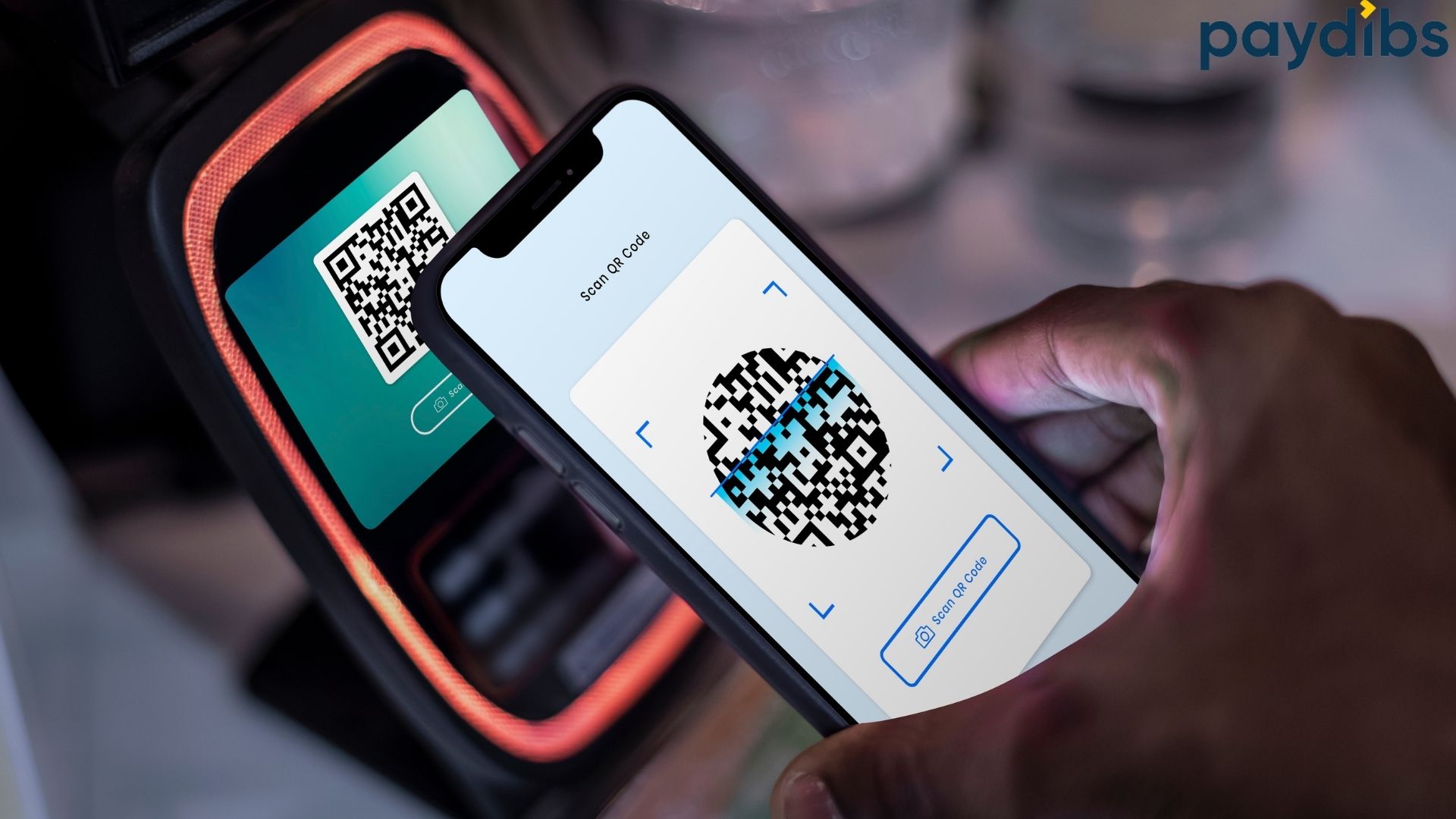
Malaysia continues to transition rapidly into a cashless economy, with consumers increasingly expecting smooth, fast, and secure digital payments. For most businesses, two technologies dominate in-person transactions today: NFC payment, which enables tap-to-pay convenience, and QR payment, which allows customers to scan a code with their smartphone camera through a banking or e-wallet app.
Both methods have become standard across malls, restaurants, markets, and delivery services. However, they are not interchangeable. Each technology serves different business environments and customer behaviours. This guide breaks down NFC payment versus QR payment across speed, security, cost, compatibility, and overall suitability for Malaysian SMEs. (Source: Bank Negara Malaysia)
Quick Comparison Table
Feature | NFC Payment | QR Payment |
How It Works | Tap device on NFC-enabled reader | Scan QR code with smartphone camera via a banking or e-wallet app |
Hardware Needed | NFC terminal (or supported smart device with certified NFC) | Printed or digital QR code |
Customer Requirement | NFC-enabled card, wearable, or smartphone with wallet app | Any smartphone with a camera and a DuitNow QR–enabled banking or e-wallet app |
Checkout Speed | Very fast (device-reader interaction targeted ≈500 milliseconds) | Slower, requires scanning and app flow |
Security Level | High (EMV tokenisation, encryption, device authentication) | Depends on code integrity and flow design; printed codes require monitoring |
Cost to Merchant | Hardware cost + standard fees/merchant discount rate (MDR) | Low cost; fees/MDR may apply; 2023 waivers for micro/small merchants on DuitNow QR |
Ideal Business Types | Retail, pharmacies, high-traffic counters | F&B, micro-SMEs, deliveries, pop-ups, mobile setups |
Deployment | Indoor, fixed counters | Mobile, indoor/outdoor |
Best Benefit | Speed and security | Accessibility and flexibility |
(Source: Bank Negara Malaysia; The Star)
NFC Payment Features
NFC (Near Field Communication) allows quick tap-to-pay transactions using a card, smartwatch, or smartphone held close to a contactless reader.
1. Instant Tap-to-Pay
NFC contactless is engineered for very fast reads; EMV (Europay, Mastercard and Visa) contactless implementations target approximately 500 milliseconds (0.5 seconds) for the card-to-reader interaction.
- Helps businesses reduce customer queues during peak hours.
- Most mobile NFC payments require quick device or app authentication (for example, Face/Touch ID or device unlock) before tapping, yet still maintain a fast checkout flow.
Overall checkout time may vary by terminal, network, and whether device authentication is required.
(Source: Visa; US Payments Forum; Apple; Google)
2. High-Level Encryption and Tokenisation
NFC transactions with mobile wallets and EMV contactless leverage tokenisation and multiple layers of encryption. Primary account numbers are not transmitted; instead, unique payment tokens and dynamic cryptograms are used.
- Every transaction uses a unique, one-time dynamic value that cannot be reused.
- NFC terminals and acceptance devices must meet strict certification standards, improving compliance and security.
(Source: EMVCo; Visa; Mastercard; Apple; Google)
3. Requires NFC-Compatible Hardware
Merchants must have a device or terminal that supports NFC and is certified for contactless acceptance.
- Most modern terminals also support contactless cards and major mobile wallets.
- Hardware reliability ensures consistent performance in indoor, fixed-location environments.
(Source: Visa; Mastercard)
4. Strong Consumer Preference in Urban Malaysia
Contactless tap-to-pay is widely used in Malaysia: data cited by Bank Negara Malaysia Annual Report shows 68.9% of in-person card transactions at physical premises were contactless in 2022, and adoption has continued to grow.
- NFC aligns with hygiene expectations because customers avoid touching shared keypads.
- Supported by banks, local wallets, and international card schemes, boosting adoption.
(Source: The Star; Bank Negara Malaysia; Mastercard)

QR Payment Features
QR payment allows users to scan a QR code displayed by the merchant to complete transactions using a banking or e-wallet app. DuitNow QR provides national interoperability so one QR can be accepted by multiple banks and e-wallets.
1. Universal Device Support
QR payment works on any modern smartphone; cameras on iOS and Android support QR scanning natively, and payment completion uses a supporting banking or e-wallet app (for example, a DuitNow QR–enabled app).
- No specialised sensors are required.
- QR scanning is built into native camera or code-scanner apps on major platforms.
2. Zero Hardware Investment Required
Businesses only need a QR code displayed or printed.
- No repairs or device upgrades are required, keeping operational costs low.
- Suitable for temporary setups, pop-ups, and seasonal events.
(Source: Bank Negara Malaysia)
3. Flexible Deployment
QR payment is suitable for:
- Hawkers, food courts, and small restaurants
- Market stalls, bazaars, and pop-up booths
- Freelancer services and delivery teams
- Table-service cafés and F&B kiosks
4. Connectivity Expectations Clarified
Static QR lets the merchant display a code without connectivity, but the payer’s banking or e-wallet app generally needs an internet connection to authorise the payment. Some providers offer offline or queued modes; this is provider-specific and should not be assumed across the board.
- Useful where merchant connectivity is intermittent since the code itself is static.
- For crowded events or rural areas, prepaid or queued approaches may help, depending on provider capabilities and risk settings.
(Source: Bank Negara Malaysia)
Pricing Numbers (Malaysia, 2024–2026 public info)
NFC Payment (Cards / Tap-to-Pay)
Hardware (buy or rent)
- Purchase price (entry to mid): ~RM300–RM1,750 per terminal, depending on form factor/features (Bluetooth reader vs. all-in-one with printer).
- All-in-one Android terminal examples: ~RM1,599 one-off (representative market listing).
- Short-term rental (events): ~RM50/day (daily) or ~RM200/month (monthly), often with refundable deposit ~RM250–RM300.
- Instalment/rental plans: ~RM60/month with ~RM599 deposit on 24-month plans (representative).
(Sources: Visa; Mastercard)
Processing Merchant Discount Rate (MDR)
- Publicly posted SME MDR (illustrative): Debit ~0.50%, Credit ~1.50% (bank acquiring tariff).
- Regulatory context: Domestic debit interchange ceiling = 0.10% (interchange is one component within MDR; MDR to merchant is set by the acquirer).
(Source: Bank Negara Malaysia; OCBC)
Note that MDR varies by acquirer, card type (debit vs. credit vs. premium), volumes, and industry. Some acquirers bundle terminal rental into MDR or waive setup fees. (Source: Bank Negara Malaysia)
QR Payment (DuitNow QR)
Setup / Hardware
- Display costs are typically low. A static/printed QR provided by the payment provider is often free, while optional stands, stickers, or small displays may range from RM0–RM100, depending on the merchant’s preferences and provider practices.
Processing (MDR)
- Micro & small merchants: Many acquirers have applied 0% MDR for this segment, in line with policy announcements made by Bank Negara Malaysia on 29 September 2023. Some banks have also continued promotional 0% MDR for static QR beyond that date. Actual eligibility and duration may vary by provider.
- Standard/commercial merchants (not under waiver): For merchants not covered by fee waivers, published MDR rates for DuitNow QR generally fall up to around ~0.50%, though the exact rate depends on the acquirer or e-wallet provider.
Context vs. Cards
BNM indicates that DuitNow QR MDR for many merchants, especially micro and small businesses, tends to be comparable to or lower than domestic debit card MDR. QR acceptance is also appealing for SMEs and mobile vendors because setup costs are minimal and ongoing fees are generally low. (Source: Bank Negara Malaysia)
Pros and Cons
NFC Payment
Pros
- Very fast device-reader interaction that keeps queues short
- High-level tokenisation and encryption; strong device security models
- Reduces queues and enhances customer flow
- Ideal for modern retail and urban customers
- Works across phones, wearables, and contactless cards
Cons
- Requires dedicated, certified hardware (or supported smart device acceptance)
- Not all smartphones support NFC
- Higher initial investment
- Less ideal for some outdoor or highly mobile businesses
QR Payment
Pros
- Minimal startup cost
- Works on any smartphone with a camera and a supporting app
- Easy to deploy and maintain
- Suitable for outdoor and mobile setups
- Flexible placement on tables, packaging, vehicles, or screens
Cons
- Slower than NFC due to scanning and app navigation
- Can be affected by lighting and camera focus
- Printed QR codes may be replaced or tampered with; merchants should secure and regularly check displays
The Clear Winner
Both NFC payment and QR payment are essential to Malaysia’s evolving cashless ecosystem, but they excel in different contexts.
NFC payment is the clear winner for speed, security, and premium checkout experience. QR payment, however, remains the more accessible and cost-effective option for SMEs.
For 2025 and beyond, the most resilient strategy for Malaysian businesses is a hybrid approach: Use NFC payment for fast-moving counter transactions, and offer QR payment for flexible, low-cost acceptance across all operating conditions.
Finding a provider that offers both of these options is the most ideal solution for Malaysian businesses. Our versatile payment app systems help your business thrive, no matter the situation.