免责声明: This article is for informational and educational purposes only. It does not constitute financial, legal, or technical advice. References to any brands or gateways do not imply endorsement unless stated otherwise.
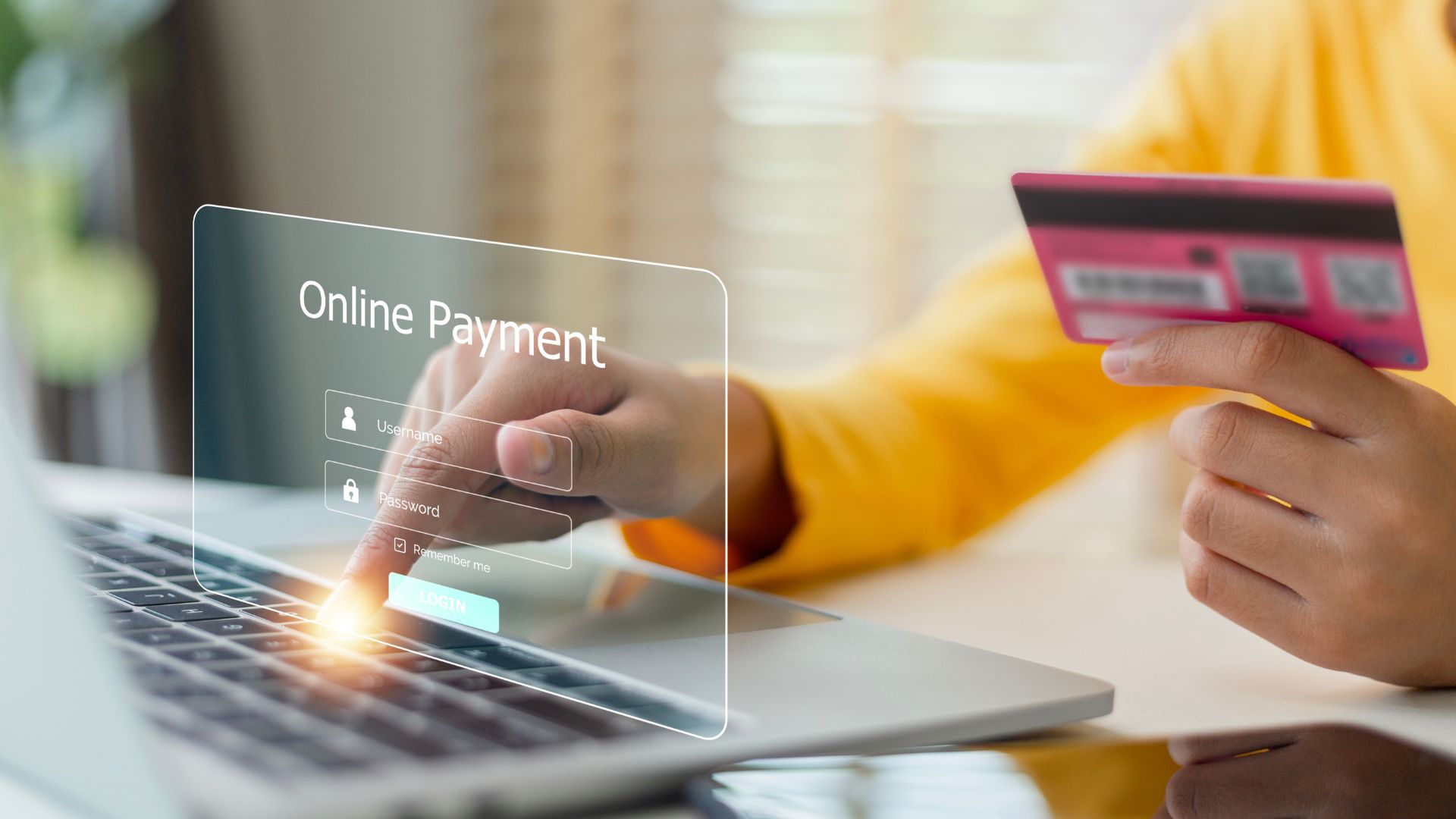
Each time a customer taps “Pay Now,” multiple systems interact silently to approve, authenticate, and settle the payment. This seamless experience is made possible by one technology: the payment gateway.
In Malaysia’s digital economy, the gateway has become an essential infrastructure layer for SMEs transitioning online. It securely transmits payment data between banks and customers, ensuring that every ringgit moves safely. With Bank Negara Malaysia prioritising greater e-payment adoption (Malaysians made ~409 e-payments per capita in 2024) while keeping access to cash, understanding how a payment gateway works is now fundamental for every business owner. (Source: Bank Negara Malaysia, Annual Report 2024)
What Is a Payment Gateway?
A payment gateway is a secure digital intermediary that transmits payment data between the customer, the merchant, and the banking networks involved. It verifies card information, authorises transactions, and confirms whether the payment has been approved or declined.
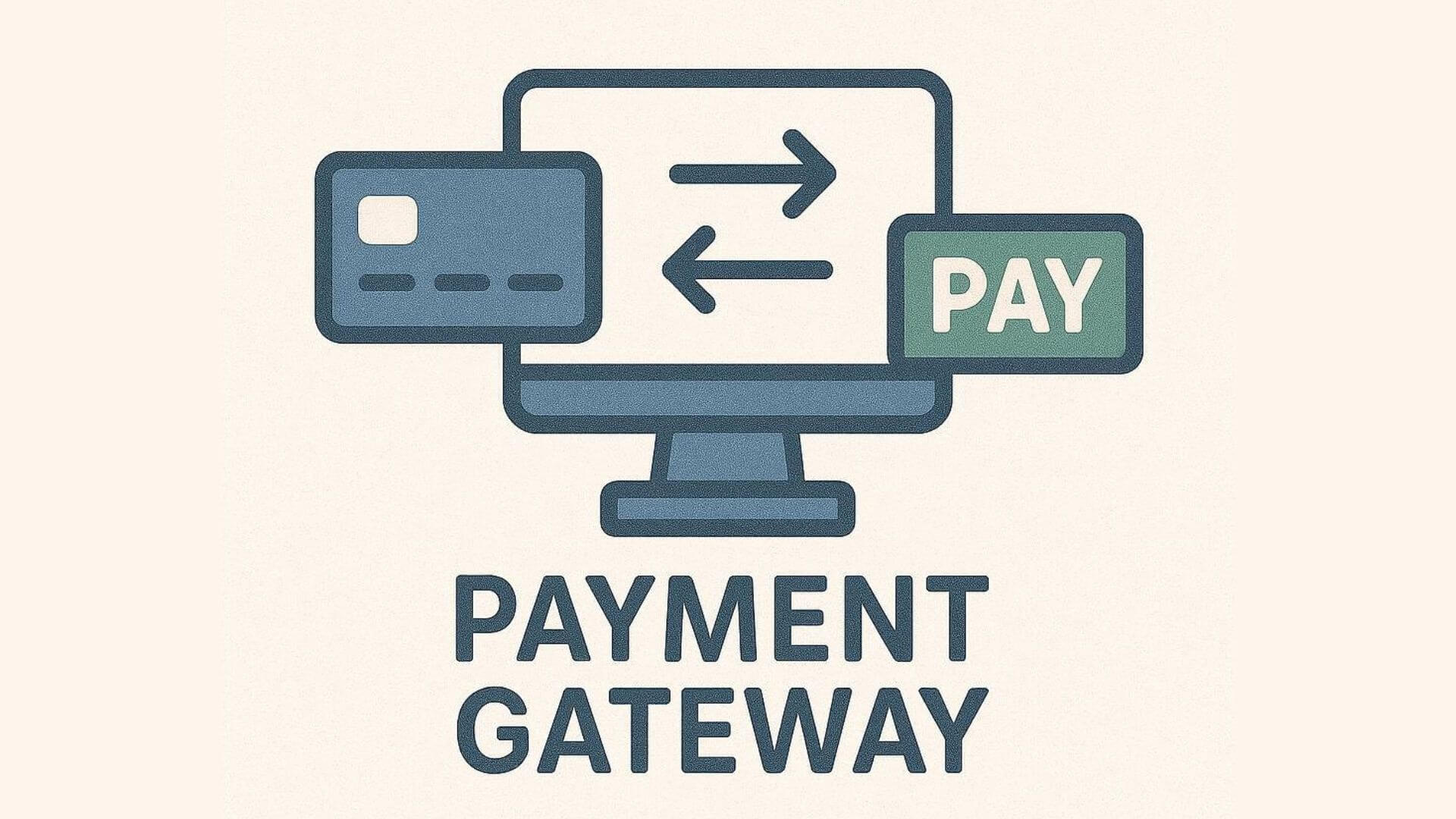
For Malaysian SMEs, a payment gateway acts like a virtual point-of-sale terminal. Instead of swiping a card in-store, customers key in their details online or make DuitNow Online Banking/Wallets (DOBW) redirections (which are replacing FPX in 2025). The gateway then encrypts, routes, and validates the information before funds move to the merchant’s account.
Modern gateways also support local e-wallets such as Touch’n Go, GrabPay and Boost, and DuitNow QR acceptance (an interoperable QR network, not an e-wallet), making them central to omnichannel commerce. (Sources: PayNet Malaysia; BNM Annual Report 2024)
Why Payment Gateways Matter to Malaysian SMEs
1) Enabling Digital Trust
- In Malaysia’s online marketplace, trust is everything.
- Customers often abandon carts if they sense insecure payment pages.
- Using a PCI DSS-compliant gateway with visible trust badges builds consumer confidence.
2) Reducing Checkout Friction
A gateway with seamless integration ensures that transactions process in real time, improving checkout conversion rates and lowering abandonment.
3) Ensuring Compliance and Security
- Payment gateways and acquirers in Malaysia are regulated under Part II, Division 1 of the Financial Services Act 2013, which empowers Bank Negara Malaysia (BNM) to license, supervise, and set operational standards for payment systems.
- Payments Network Malaysia (PayNet) operates under BNM oversight as the national payment infrastructure provider.
- The Consumer Credit Bill 2025 has passed the Dewan Rakyat and will establish a Consumer Credit Commission to regulate non-bank consumer credit once fully in force.
(Sources: Bank Negara Malaysia; Government/Parliament updates on the Consumer Credit Bill 2025)
4) Unlocking Regional and Global Reach
For exporters and digital service providers, gateways that support multi-currency transactions (e.g., MYR, SGD, USD) enable global commerce without heavy integration overhead.
(Source: PwC Payment Trends Report 2024)
How Payment Gateway Works: Step-by-Step Process
Every online payment follows a structured workflow. Here is how it typically unfolds:
1. Customer Initiates the Payment
The buyer submits payment details on the merchant’s checkout page, selecting card, DuitNow Online Banking/Wallets (DOBW; replacing FPX), or e-wallet.
2. Data Encryption and Tokenisation
The gateway encrypts sensitive cardholder data and may replace actual numbers with tokens to reduce exposure risk.
3. Transaction Routing
The encrypted data is sent to the acquiring bank, which forwards it to the card network (Visa, Mastercard, UnionPay) or to account-to-account rails such as DOBW.
4. Authorisation
The issuing bank checks the customer’s balance, performs risk/fraud checks (including 3-D Secure where applicable), and approves or declines the transaction.
5. Response to Merchant
The gateway communicates the authorisation result back to the merchant in seconds, updating the checkout interface.
6. Settlement and Payout
Settlement times vary by provider and method. Some settle weekly (e.g., certain local providers), others on T+2, and some offer T+1 或 instant options. Always confirm the SLA in your merchant agreement.
Core Components of a Payment Gateway System
Component | Role in the Payment Flow |
Merchant Account | Destination account for receiving cleared funds. |
Acquiring Bank | The merchant’s financial partner that processes payments. |
Issuing Bank | The customer’s bank that approves or declines transactions. |
Card Network | Connects acquirer and issuer (Visa, Mastercard, UnionPay). |
Gateway API | Software that encrypts, routes, and verifies payment data. |
A strong gateway integrates all five with uptime guarantees and redundancy.
Types of Payment Gateways in Malaysia
Hosted Gateways
- Customers are redirected to a secure page hosted by the payment service provider.
- Popular with SMEs due to simplicity and reduced compliance burden.
- Services such as PayPal and toyyibPay are Hosted Gateways.
Integrated API Gateways
- Checkout is embedded in your website/app for a seamless, branded experience.
- One example of this is Paydibs.
White-Label / Enterprise Solutions
- Customisable infrastructure for fintech platforms or large merchants who want full brand ownership.
(Sources: Fintech Malaysia Report 2024; provider websites)
Key Benefits for Malaysian Businesses
- Multi-Channel Acceptance: Gateways unify cards, DuitNow payment rails operated by PayNet under BNM supervision (DOBW, QR), and e-wallets in one platform, matching Malaysia’s mixed payment behaviour.
- Automated Accounting & Reconciliation: Most modern gateways provide dashboards or integrations with accounting tools (e.g., Xero, QuickBooks), reducing manual bookkeeping.
- Fraud Detection & Chargeback Management: Advanced rules and AI monitoring help flag suspicious transactions and reduce false declines.
- Cash-Flow Control: Choose providers with settlement schedules that fit your needs (T+1/T+2/weekly or instant options).
- Scalability & Analytics: Insights into transaction volumes, approval rates, and customer behaviour support smarter growth decisions.
Potential Risks and Issues
1. Transaction Failures or Latency
Bank/network outages or outdated integrations can cause failed authorisations. Implement failover routing, retry logic, and health monitoring to avoid this.
2. High Transaction Fees
Fees vary widely by method/provider. Cards often fall around ~2–3%, while DuitNow rails and some e-wallets use per-transaction fees or lower MDRs. Always check the latest rate cards and negotiate volume tiers.
3. Fraud & Data Security
Non-compliant systems risk breaches. Ensure providers meet PCI DSS requirements and use tokenisation/3-D Secure. All customer information must be processed in accordance with the Personal Data Protection Act 2010 (PDPA Malaysia), ensuring transparency and lawful handling of personal and financial data.
4. Integration Complexity
Poorly tested plugins can misroute transactions or cause duplicates. Use certified SDKs, a staging environment, and end-to-end test cases.
5. Regulatory Shifts
The Consumer Credit Bill 2025 is progressing but not fully in force; payments remain primarily under BNM/FSA 2013. Monitor official notices for updates that affect disclosures and data handling.
(Sources: The Edge Malaysia; PwC Payment Trends Report 2024; BNM/Parliament updates)
Future Outlook: Beyond Transactions
Gateways are evolving into payment orchestration platforms that unify multiple rails and providers. Expect:
- Open Banking-style pay-by-bank journeys via regulated APIs.
- AI-driven fraud prevention that detects anomalies in milliseconds.
- Embedded finance where payments, lending, and loyalty live in one experience.
For SMEs, this means more competitive fees, faster settlements, and greater transparency over the next few years. (Source: Deloitte Southeast Asia Fintech Outlook 2025)
Build a Smarter, Safer Checkout
A payment gateway is no longer optional, it is the digital infrastructure enabling Malaysia’s online economy. By understanding how it works, SMEs can select partners that offer reliability, security, and compliance.
The best gateways balance speed, safety, and simplicity. Investing in a robust gateway integration is one of the most effective ways to reduce cart abandonment, increase customer trust, and future-proof your business in an increasingly cashless Malaysia. Explore our package pricing today, and build a smarter, safer, payment gateway to keep your customers safe and your business growing.