Disclaimer: This article is for informational and educational purposes only. It does not constitute financial, legal, compliance, or technical advice. References to any brands or gateways do not imply endorsement unless stated otherwise.
Rising Mobile Payment Usage
Mobile payments have revolutionised the retail ecosystem in Malaysia. As consumers increasingly rely on smartphones for shopping, bill payments, and daily spending, retailers face a rising expectation to deliver fast, secure, and seamless payment experiences. This transformation is supported by very high mobile phone usage among individuals and near-universal smartphone ownership among internet users, widespread QR adoption, and strong national policies encouraging digital readiness. (Sources: Department of Statistics Malaysia; Telenor Asia)
For retailers, the shift from cash-heavy transactions to mobile-based systems is more than a trend. It is a structural change that brings strategic advantages, from lowering operational risk to improving customer satisfaction. Understanding why mobile payments matter, how they work, and how to implement them effectively is essential for staying competitive in a rapidly evolving retail environment.
Understanding Mobile Payment

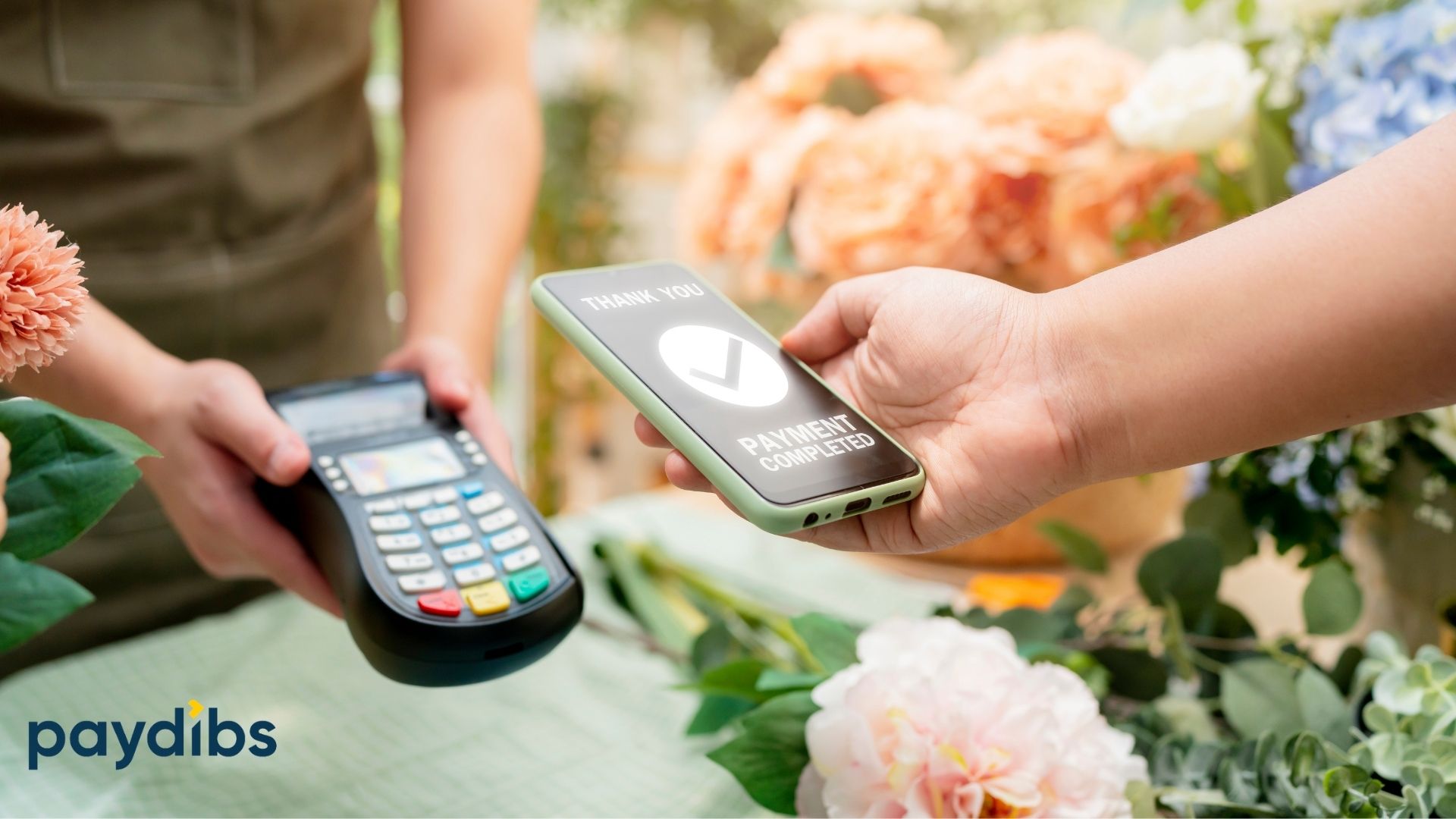
Mobile payment refers to the use of smartphones and digital applications to complete transactions. These payments may be processed through methods such as:
- QR codes
- Digital wallets
- Mobile banking applications
- Contactless NFC functions
- Payment links or in-app transactions
The growth of mobile payments in Malaysia is largely driven by:
- High mobile phone usage and near-universal smartphone ownership among internet users
- Affordable mobile data packages
- Strong national digitalisation commitments for the financial sector
- Increasing comfort with QR-based and app-based payments
(Sources: Department of Statistics Malaysia; Bank Negara Malaysia; Telenor Asia)
Mobile payment systems operate through secure digital networks that validate the transaction, deduct the amount from the customer’s funding source, and credit the merchant in real time or near real time depending on the provider’s payout schedule. This process reduces reliance on cash handling or traditional card terminals and creates a digital record for audits and reconciliation. (Sources: Payments Network Malaysia; Bank Negara Malaysia)
Unique Features of Mobile Payment
1. Contactless and Convenient Transactions
- Mobile payments allow customers to scan, tap, or confirm payments directly from their phones.
- This creates a frictionless experience, removing the need for physical cash or cards and helps retailers serve more customers in less time.
2. Instant Confirmation and Live Tracking
- Merchants and customers receive immediate confirmation on successful transactions.
- Reduces disputes, ensures orders or fulfilment can proceed without delay. (Source: Payments Network Malaysia)
3. Advanced Security Features
Mobile payments incorporate multiple layers of protection, including:
- Encryption
- Device-level security
- Biometric authentication
- Multi-factor verification
- Secure PIN gateways and session controls
These controls, together with multi-factor authentication and technology risk requirements set by the central bank for regulated institutions, reduce risks associated with cash such as counterfeit notes and theft. Merchants should still apply anti-scam best practices and staff training.
(Sources: Bank Negara Malaysia RMiT Policy Document; Bank Negara Malaysia Electronic Money Policy Document)
4. Digital Receipts and Automatic Record Keeping
- Receipts and transaction logs are stored digitally in customer applications and merchant dashboards.
- Improves tracking, supports audits, and reduces manual record-keeping time while improving data accuracy. (Source: Payments Network Malaysia)
5. Low Hardware Requirement
- Many QR payment solutions designed around interoperable QR standards do not require specialised POS hardware.
- A smartphone and a printed or displayed QR code are often sufficient to enable acceptance, which is ideal for small shops, pop-ups, and mobile businesses. (Source: Payments Network Malaysia)
Mobile Payments vs Traditional Cash/Card Systems
| Criteria | Mobile Payments | Cash / Traditional Cards |
| Checkout Speed | Fast and contactless; customer scans or taps and confirmation appears instantly | Slower; manual cash handling or terminal processes |
| Security | Encrypted channels, device-level protection, MFA and policy controls for regulated providers | Susceptible to theft, counterfeit notes, and card skimming |
| Record Keeping | Automatic digital logs and dashboards | Manual or terminal-based records |
| Operational Cost | Low or minimal hardware; QR can work with a printed code | Higher cost due to POS terminals and cash management |
| Customer Experience | Seamless and modern across channels | Less convenient; depends on cash availability |
| Fraud Risk | Reduced due to digital verification and policy-mandated controls | Higher due to physical vulnerabilities |
| Scalability for SMEs | Easy to scale to multiple points or staff with the same QR or app | Costly to scale with multiple terminals |
| Settlement Speed | Real time or near real time for DuitNow QR; funds typically credit instantly, with payout schedules by provider | Cash requires manual banking; cards require batch settlements |
| Suitability for Pop-Up or Mobile Retail | Extremely suitable; minimal power and connectivity needs compared with full POS | Limited by power, terminal, and network availability |
(Sources: Payments Network Malaysia; Bank Negara Malaysia)
Mobile payments clearly offer operational and strategic advantages for Malaysian retailers, particularly those with fast-moving or high-volume customer flows.
How Mobile Payments Benefit Retailers
1. Faster Checkout and Queue Management
Retailers can increase turnover by processing payments quickly. Shorter waiting times:
- Improve customer satisfaction
- Allow more transactions per hour
- Reduce congestion during peak periods
(Source: Payments Network Malaysia)
2. Lower Cash Handling Risks
Cash exposes retailers to:
- Theft
- Human error
- Counterfeit notes
- Manual reconciliation work
- Bank deposit delays
Mobile payments mitigate these vulnerabilities, improving safety and efficiency with digital records and policy-aligned security controls. (Sources: Bank Negara Malaysia; Payments Network Malaysia)
3. Higher Sales Conversion Rates
- Customers are more likely to complete purchases when payment is straightforward and instant.
- Mobile payment reduces friction and supports spontaneous buying, whether in-store, at events, or during promotions. (Source: Payments Network Malaysia)
4. Improved Financial Accuracy and Reporting
Retailers benefit from:
- Accurate transaction logs
- Automatic reconciliation
- Digital audit trails
- Clear daily summaries and downloadable reports
This reduces mistakes and simplifies compliance and tax preparation. (Sources: Payments Network Malaysia; Bank Negara Malaysia)
5. Enhanced Customer Loyalty
Many mobile payment platforms support:
- Loyalty points
- E-vouchers
- Cashback
- Reward mechanisms
Retailers can integrate these features to boost repeat visits and customer retention while tracking performance in dashboards. (Source: Payments Network Malaysia)
How Retailers Can Take Advantage of Mobile Payment
1. Select a Reliable Digital Payment Provider
Choose a provider that offers:
- Secure online payment solutions with strong encryption
- High uptime and responsive support
- Clear digital reporting and exportable data
- Compliance with national policies and standards
- Adherence to Risk Management in Technology (RMiT) and Electronic Money policy requirements, including multi-factor authentication and technology risk controls
(Sources: Bank Negara Malaysia RMiT Policy Document; Bank Negara Malaysia Electronic Money Policy Document)
2. Train Staff to Handle Digital Transactions Efficiently
Training improves checkout flow and ensures staff:
- Understand customer steps for scanning and confirmation
- Handle common questions on refunds and reversals
- Verify transaction confirmations accurately
- Recognise and escalate suspicious behaviour
(Source: Payments Network Malaysia)
3. Display QR Codes and Payment Options Clearly
Place QR codes in high-visibility locations:
- At the counter or checkout
- Near key product shelves
- At self-service kiosks
- Inside menus or table stands for F&B
Clear visibility increases adoption and reduces queue friction. (Source: Payments Network Malaysia)
4. Integrate Mobile Payment with POS or Accounting Systems
Syncing transactions with back-end tools improves:
- Inventory accuracy
- Sales reporting and forecasting
- Financial audits and compliance readiness
Talk to your provider about available integrations, reconciliation files, and webhooks or APIs if needed. (Sources: Payments Network Malaysia; Bank Negara Malaysia)
5. Educate Customers on Available Payment Options
Promote mobile payments through:
- Counter and window signage
- Social media posts
- Receipts and packaging inserts
- In-store promotions or small incentives
Customer awareness drives higher usage and smoother operations. (Source: Payments Network Malaysia)
Future Innovations in Mobile Payment
1. Stronger Authentication and Biometrics
- Biometric methods such as facial recognition and fingerprint verification are increasingly used for device and application access.
- In parallel, regulated payment providers follow central bank technology risk guidelines, which require strong authentication and layered security.
- Expect authentication flows to remain robust and user-friendly. (Source: Bank Negara Malaysia)
2. Tokenisation and Enhanced Encryption
- Tokenisation reduces the exposure of sensitive credentials by substituting them with secure tokens.
- Combined with end-to-end encryption, this strengthens payment privacy and reduces attack surfaces across merchant and provider systems. (Sources: Bank Negara Malaysia; Payments Network Malaysia)
3. Open Finance and Retail Personalisation
- Malaysia’s policy direction supports greater data connectivity and innovation through open data and open finance initiatives.
- Over time, this helps retailers unlock richer insights, enhance loyalty programmes, and streamline credit and instalment offers in responsible, permissioned ways. (Source: Bank Negara Malaysia)
4. Cross-Border Mobile Payment Expansion
- ASEAN connectivity is expanding.
- Malaysian customers can already scan and pay in Indonesia, Thailand, and Singapore, with bank-promoted availability for Cambodia.
- Regional usage is rising as central banks and payment networks deepen cooperation, helping tourism-exposed retailers and merchants in border or travel hubs.
(Sources: Payments Network Malaysia; Bernama)
Choose Mobile Payments
Mobile payments are reshaping Malaysian retail by offering speed, security, transparency, and operational efficiency. As digital adoption grows, retailers that integrate mobile payments can enhance customer experience, improve revenue potential, and streamline financial operations. This shift toward mobile-first commerce aligns with both evolving consumer behaviour and national economic trends (Sources: Bank Negara Malaysia; Department of Statistics Malaysia).
For SMEs or retailers looking to boost their digital payment readiness, Paydibs provides secure, scalable online payment solutions designed for Malaysian businesses, supporting a smoother transition to digital retail operations.