Disclaimer: This article is for informational and educational purposes only. It does not constitute financial, legal, or technical advice. References to any brands or gateways do not imply endorsement unless stated otherwise.
The Rise of Local Payment Gateways
Digital payments are now foundational for Malaysian businesses across online, service, and hybrid retail models. Customers expect payments to be fast, secure, and friction-free, so Malaysian SMEs must choose between foreign processors and local gateways that understand local behaviour.
Local gateways align with regulations, integrate with local banks, support FPX and DuitNow QR, and can improve operational reliability and cash flow. In 2025, selecting a local gateway is a strategic move for stability, compliance, and responsiveness.
(Sources: Bank Negara Malaysia – Interoperable Credit Transfer Framework (ICTF); Bank Negara Malaysia – Policy Document on Merchant Acquiring Services; Payments Network Malaysia (PayNet) – FPX & DuitNow QR)
What is a Payment Gateway?
A payment gateway, in short, is a secure system that transfers payment data between the customer, merchant, and financial institution.
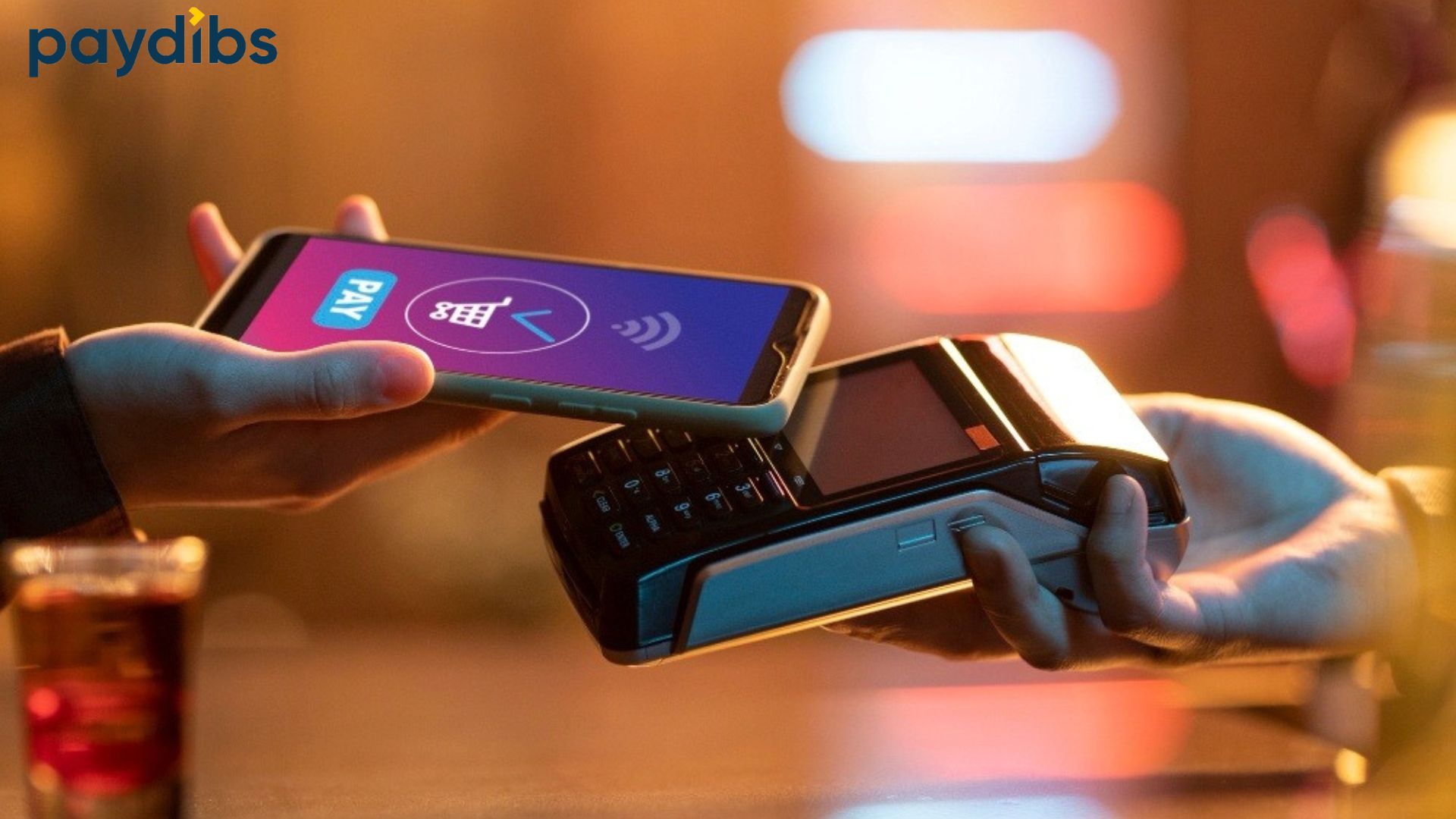
It validates card/wallet details, runs fraud checks, obtains authorisation, and returns an approval decision, typically within seconds. Settlement/payout is separate and follows the acquirer’s payout schedule. (Source: Visa – Core Rules & Authorization Guidance; Stripe – Authorization vs Settlement explainer)
For SMEs, the gateway is the bridge between the customer and the bank, protecting transactions with strong security standards and regulated mechanisms. (Source: Visa – Core Rules & Authorization Guidance)
Why Local Payment Gateways Matter for Malaysian SMEs
1) Alignment With Local Regulations
- Local payment gateways operate within Malaysian rules, consumer preferences, and national payment rails (FPX, DuitNow) administered by PayNet. (Source: Bank Negara Malaysia – ICTF; PayNet – FPX & DuitNow)
- Merchant acquirers must be registered with Bank Negara Malaysia under the Financial Services Act 2013 (Section 17).
- Must comply with BNM’s Policy Document on Merchant Acquiring Services (15 Sep 2021).
- This reduces compliance risk and simplifies bank audits and documentation checks.
- Merchants also retain responsibilities under AMLA 2001 and BNM’s AML/CFT and TFS Policy Documents. Local acquirers support transaction monitoring, sanctions screening, and risk reviews based on Malaysian patterns, helping SMEs meet these obligations more effectively.
(Source: Bank Negara Malaysia – Policy Document on Merchant Acquiring Services; Bank Negara Malaysia – Financial Sector Participants Directory)
2) Better Payment Approval Rates (Qualified)
- Local gateways can improve approval rates by tuning fraud/risk rules to Malaysian spending patterns and issuer behaviour.
- Outcomes vary by merchant vertical, risk settings, and issuers; make sure to monitor metrics and optimise over time. (Source: McKinsey – Global Payments 2025)
3) Faster Settlement Cycles (Qualified)
- Domestic rails like DuitNow (instant credit transfers) and FPX move funds between banks in real time or near real time.
- Actual merchant payout depends on the acquirer’s settlement timetable (e.g., same-day or T+1–T+3).
- Predictable payout cycles help with payroll, inventory restocking, supplier payments, and daily operations. (Source: PayNet – FPX & DuitNow; Bank Negara Malaysia – ICTF; PayNet – FPX Resources)
4) Local Currency Processing
MYR processing helps avoid unnecessary conversion costs and reduces exposure to currency fluctuations where possible. (Source: PayNet – FPX Overview)
5) Support for Popular Local Payment Methods
- Malaysians frequently use FPX online banking and DuitNow QR, the national QR standard.
- Local gateways can activate these methods seamlessly and scale for peak seasons. (Source: PayNet – DuitNow QR; DuitNow – Business Page)
Core Aspects and Functionality of Local Payment Gateways
1) Secure Transaction Authorisation
- Encrypts customer data, verifies card details, runs fraud checks, and requests issuer approval (typically within seconds).
- Settlement/payout occurs later per the acquirer’s schedule.
(Source: Visa – Core Rules & Authorization Guidance) - Gateways handling card transactions must comply with the global Payment Card Industry Data Security Standard (PCI-DSS). Local acquirers undergo regular PCI audits to protect cardholder data and maintain secure processing environments.
2) Real-Time Visibility on Settlement Status
- Local payment gateways offer dashboards to monitor settlement progress, refunds, voids, chargebacks, and daily totals.
- Clear reporting helps reduce accounting discrepancies. (Source: PayNet – FPX Resources/Portals)
3) Multi-Channel Support
- Online checkout (web/mobile)
- Physical Point Of Service terminals
- QR/contactless payments
- Subscription billing
- Invoice-based payments
(Source: PayNet – FPX & DuitNow Documentation)
4) Local Card Scheme Compatibility
Domestic acquirers/gateways often handle local card/debit scheme nuances and issuer behaviours more smoothly. (Source: Visa – Core Rules & Authorization Guidance)
5) Localised Fraud Screening
- Rules tailored to Malaysian fraud patterns can reduce false declines.
- Effectiveness depends on merchant profile and issuer responses. (Source: McKinsey – Global Payments 2025)
6) Platform Integration
- Integrations with ecommerce platforms, invoicing tools, accounting systems, and local banks for unified workflows. (Source: PayNet – Developer Documentation)
Example of a Local Gateway: Paydibs
- Who is Paydibs: A home-grown provider focused on SME-friendly, compliant payment processing.
- Regulatory status: Paydibs Sdn Bhd is a Registered Merchant Acquirer (Non-bank) in BNM’s official directory. (Source: Bank Negara Malaysia – Financial Sector Participants Directory; Paydibs Listing)
- Local currency processing: MYR transactions ride local rails (e.g., FPX, DuitNow) for customer familiarity; payout timing follows the acquirer schedule. (Source: PayNet – FPX & DuitNow)
- Local support: Onboarding and technical support from teams familiar with Malaysian payment behaviours and integrations.
- Use cases: Retail, ecommerce, services, education, hospitality, subscription-based businesses. (Source: Paydibs – Company Site)
- Predictable settlements (Qualified): Settlement cycles are configured per merchant agreement to support cash flow. (Source: PayNet – FPX & DuitNow; Merchant Agreements)
What Malaysian SMEs Miss Out On By Not Using a Local Payment Gateway
1) Slower Settlement Times
- Foreign gateways may rely on cross-border arrangements that add friction between issuer, acquirer, and merchant payout.
- Domestic rails reduce cross-border hops, but payout speed still depends on the acquirer’s timetable. (Source: Bank Negara Malaysia – ICTF; PayNet – FPX & DuitNow)
2) Higher Transaction Decline Rates
- Risk engines tuned for other regions can misread Malaysian patterns.
- Local tuning can lower false declines, though actual impact varies by issuer and merchant profile. (Source: McKinsey – Global Payments 2025)
3) Limited Access to Local Payment Methods
Some international systems do not natively support FPX or DuitNow QR, creating friction for customers who prefer local options.
4) Less Clarity on Compliance
- Regulatory expectations differ across countries.
- Local gateways align with BNM’s merchant acquiring requirements. (Source: Bank Negara Malaysia – Policy Document on Merchant Acquiring Services)
- Local acquirers must perform Merchant Due Diligence (identity verification, business legitimacy checks, risk profiling) in line with BNM AML/CFT requirements.
- Local acquirers also screen transactions against BNM’s Domestic TFS List, the UN Sanctions List, and MOHA Specified Entities.
5) Slower Support and Limited Context
Offshore teams may not match Malaysian business hours or local banking context.
6) Higher Overall Operating Complexity
Foreign currency processing, varied settlement timelines, and non-local fraud rules can add complexity in accounting, audits, and reconciliation.
Conclusion
Choosing a local payment gateway can offer stability, familiarity, and alignment with Malaysian regulations that foreign processors may not always provide. Following BNM policies and using local rails can help reduce disruptions and maintain smoother cash flow, while SMEs can still support cards, e-wallets, and other local payment methods as needed.
For businesses seeking a reliable Malaysian payment gateway, Paydibs provides local support, MYR settlement on domestic rails, and a compliance-focused framework designed to support SME growth.